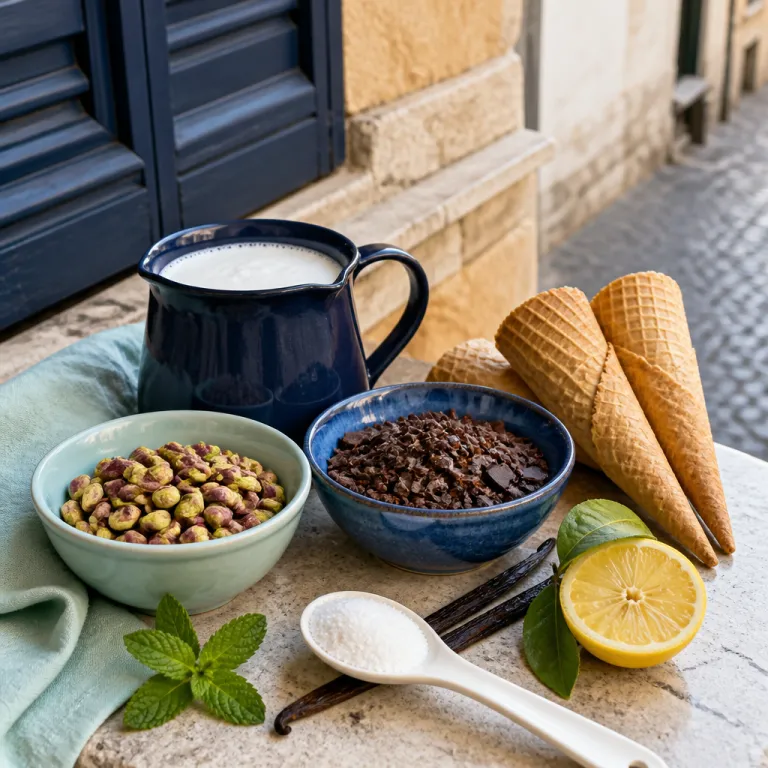
How to recognise the best gelato in Rome, Italy near your hotel
When you arrive in Rome, the first challenge is to find genuinely good gelato within walking distance of your hotel without falling for tourist traps. A reliable way to spot serious artisans is to look for a gelateria where the tubs are low, flat, and often covered, because this protects the gelato and keeps the cream texture dense rather than airy. In the historic centre of Rome, especially around any central piazza, avoid towering mountains of ice cream that look too bright, because they usually signal artificial ingredients instead of careful artisanal work.
True Rome gelato should look slightly muted in color, whether you choose pistachio, chocolate, or fruit flavors, and the surface will appear silky rather than fluffy. Ask staff which flavor was made most recently, because the best gelato is produced in small batches throughout the day, and this habit separates serious gelato shops from tourist spots that freeze large industrial pans. When you compare several gelato counters near your accommodation, notice whether the staff talk confidently about ingredients such as fresh milk, seasonal fruit, and dark chocolate, since this level of detail usually indicates a top gelateria that locals trust.
For guests staying near Termini or Esquilino, Gelateria Fassi (Palazzo del Freddo Giovanni Fassi, Via Principe Eugenio 65) is a classic gelateria romana where you can taste gelato traditions dating back more than a century. Close to the Tiber, Günther Gelato (for example on Via dei Pettinari 43, as listed on recent city guides) focuses on carefully sourced ingredients and unusual flavors, which will appeal to travellers who want a memorable tasting experience beyond standard ice cream. Whether your hotel is modern or traditional, plan a short evening walk to at least two different gelato shops, then decide which becomes your favorite stop during your stay in Rome, Italy.
Iconic gelato addresses around piazza Navona and the historic centre
Many visitors book hotels near piazza Navona because the area combines baroque architecture with some of the best gelato counters in central Rome. On Via dei Coronari 65–66, Gelateria del Teatro serves refined flavors that highlight seasonal ingredients, and the small shop feels like a quiet retreat from the busy piazza. Here you can order a cone that pairs dark chocolate with sage and raspberry, or pistachio with almond, and the balanced flavor combinations show why this place ranks among the top Rome gelato experiences.
Just off piazza Navona, Tre Scalini (Piazza Navona 30) is famous for its tartufo, a rich ball of chocolate ice cream often topped with whipped cream, and it remains a favorite for travellers who want a dessert with a view of the fountains. While some locals debate whether Tre Scalini offers the absolute best gelato or more of a classic ice dessert, the setting is undeniably good for a late evening stroll from nearby hotels. If you prefer a quieter gelato shop, walk a few minutes towards Campo de’ Fiori or the Günther Gelato address on Via dei Pettinari, where the focus on ingredients and cream texture will impress serious ice cream enthusiasts.
When you compare gelato shops around the historic centre, pay attention to how many locals queue alongside tourists, because this mix usually signals a gelateria that balances quality and convenience. Prices for a cone in Rome typically start around three euros according to recent municipal consumer reports, so you can sample several flavors without stretching your travel budget. Staying near piazza Navona also means you can return at different times of day, which will help you find the best moments with shorter lines and fresher batches of gelato Rome artisans have just finished churning.
From classic pistachio to dark chocolate: choosing flavors like a local
Once you have located a high quality gelato shop near your hotel, the next decision is which flavors deserve space in your cup. Roman residents often judge a gelateria by its pistachio and hazelnut, because these flavors reveal whether real nuts or artificial pastes were used, and the color should be soft beige or greenish brown rather than neon. Another reliable test is the plain cream flavor, sometimes called fior di latte, since this simple gelato exposes the quality of milk, sugar, and technique without any chocolate or fruit to hide flaws.
For chocolate lovers, order both standard chocolate and dark chocolate scoops, then compare the depth of flavor and the smoothness of the cream, because the best gelato shops manage to keep intense taste without a greasy mouthfeel. Many gelateria counters in Rome, Italy also offer whipped cream on top at no extra charge, and this panna adds a luxurious finish that pairs beautifully with fruit flavors or rich ice cream combinations. If you see neve di latte or similar milk based names on the board, these usually indicate very pure, lightly sweet flavors that work well between stronger choices like coffee, pistachio, or dark chocolate.
Historic addresses such as Giolitti near the Pantheon (Via degli Uffici del Vicario 40) and Gelateria Fassi in the Esquilino district remain favorite stops for travellers who want to taste Rome gelato traditions alongside newer creations. When you stay several nights in the city, turn gelato into a small ritual by trying different flavor trios each evening, perhaps starting with pistachio, stracciatella, and a seasonal fruit, then moving towards bolder combinations later. This approach will help you find the best personal favorites while giving you a deeper sense of how each gelato shop interprets classic Italian ingredients and local romana tastes.
Planning your hotel stay around Rome’s most respected gelaterias
Travellers who care about food often choose accommodation based on how easily they can reach excellent gelato after dinner. If you stay near the Vatican or Prati, you will be close to Gelateria dei Gracchi, which is widely praised for nut flavors and careful sourcing of ingredients. In the same broader area, many guests walk or take a short bus ride to Claudio Torcè locations, where the gelato shop philosophy focuses on unusual flavor experiments and a very clean ingredient list.
Guests booking hotels around the Pantheon or Piazza Venezia can reach classic addresses such as Giolitti and Gelateria del Teatro on foot, which makes it easy to compare several gelato shops in a single evening. Those who prefer quieter neighbourhoods might look near Testaccio, where Brivido (Via Giovanni Branca 86) has served traditional gelato with no additives for decades, and this part of Rome offers a more local romana atmosphere. When you plan your stay, mark at least three or four gelateria names on your map, then choose a hotel that allows you to walk to one gelato shop in under ten minutes, because this proximity will turn a simple dessert into a daily pleasure.
Rome counts roughly one thousand five hundred gelaterias according to estimates often cited by the Rome Tourism Board and the Italian Gelato Association, so every district offers both excellent and average options. To find the best candidates near your booking, combine online reviews with quick visual checks of the counter, paying attention to color, texture, and how staff handle the ice cream. Remember that a good gelateria in Rome, Italy will usually list ingredients clearly, keep portions modest, and serve gelato that melts slowly, all signs that you are close to the best gelato rather than a forgettable scoop.
Comparing famous names like Gelateria Romana, Della Palma, and Claudio Torcè
Some travellers arrive with a list of famous names and want to understand how each contributes to the reputation of the best gelato in Rome, Italy. Gelateria Romana, often referred to as gelateria romana in local conversations, is known for generous portions and a wide range of flavors, which appeals to families staying in central hotels who want reliable quality and friendly service. Della Palma, near the Pantheon on Via della Maddalena 19–23, offers an enormous display of flavors that can feel overwhelming, yet this gelato shop remains a favorite for guests who enjoy choosing from dozens of options in one visit.
Claudio Torcè has built a reputation among serious food travellers for bold experiments, including multiple versions of chocolate, unusual savory notes, and carefully balanced sugar levels, and many consider these creations among the top expressions of Rome gelato today. When you compare these brands, remember that the best choice for you will depend on whether you value classic flavors, adventurous combinations, or the overall atmosphere of the shop. A quiet side street gelateria del neighbourhood can feel more intimate than a crowded central shop, even if both serve equally good ice cream with excellent ingredients.
During a focused gelato tasting, event organisers often remind guests that “Gelato has less fat and air, resulting in a denser texture,” a description echoed by the Italian Gelato Association in its consumer guides. This difference explains why a small cup from a serious gelateria dei artisans can feel more satisfying than a large industrial ice cream from a generic shop. As you move between Gelateria Romana, Della Palma, Claudio Torcè, and other addresses like del Teatro or dei Gracchi, take notes on texture, sweetness, and aftertaste, because this simple habit will help you find the best personal ranking of Rome, Italy gelato experiences.
Practical tips for enjoying gelato like a seasoned Rome guest
Once your hotel is booked and your shortlist of addresses for the best gelato in Rome, Italy is ready, a few practical habits will elevate every tasting. Visit gelato shops during off peak hours, such as late afternoon or later in the evening, because lines are shorter and staff have more time to explain flavors and ingredients. Carry some cash, since smaller gelateria counters in Rome, Italy occasionally prefer coins for low cost cones, and this preparation will save you from awkward moments at the till.
When you approach the counter, choose two or three flavors that share a similar profile, for example pistachio, hazelnut, and dark chocolate, or a trio of citrus fruits, because this makes it easier to judge balance and cream texture. Ask whether the shop offers whipped cream on top, then try it at least once, since many locals consider this panna an essential part of the best gelato ritual. If you are sensitive to dairy, look for fruit based ice flavors or clearly marked vegan options, which have become more common as neve di latte style producers and modern gelato shops respond to changing tastes.
To avoid disappointment, remember that not every brightly lit gelato shop near a major piazza serves Rome gelato worth the calories, so trust your eyes and nose as much as online ratings. A good gelateria will smell subtly of fresh cream, nuts, or chocolate rather than strong artificial perfume, and the staff should handle each scoop with calm precision. By the end of your stay, you will likely have chosen one or two favorite addresses that feel woven into your personal map of Rome, turning a simple search for the best gelato into a lasting memory of Italy.
Key figures and trends shaping Rome’s gelato scene
- Rome hosts around 1,500 gelaterias according to the local tourism board and data cited by the Italian Gelato Association in trade reports, which means travellers can expect a dense network of gelato shops within walking distance of most central hotels.
- The average price for a gelato cone in Rome is about 3 EUR based on local surveys and municipal consumer reports, so guests can sample multiple flavors over several days without significantly affecting their overall travel budget.
- Historic names such as Gelateria Fassi have operated since the late nineteenth century, illustrating how Rome gelato culture combines long standing traditions with newer innovators like Günther Gelato and Claudio Torcè.
- Recent trends highlight a rise in vegan and gluten free gelato options, as well as increased use of organic and locally sourced ingredients, reflecting broader shifts in Italian dining preferences.
FAQ: planning gelato experiences during your Rome hotel stay
What is the difference between gelato and ice cream in Rome ?
In Rome and across Italy, gelato typically contains less fat and less air than standard ice cream, which creates a denser, silkier texture and more intense flavor. This structure allows the best gelato to be served slightly warmer than industrial ice cream, so the ingredients express themselves more clearly on the palate. When you taste several gelateria offerings near your hotel, you will notice that good artisanal gelato melts slowly and feels smoother than most commercial ice cream.
Are there vegan gelato options near major hotel areas ?
Many gelaterias in Rome, Italy now offer vegan flavors, especially fruit based sorbets and dark chocolate variations made without milk. In central districts around piazza Navona, the Pantheon, and Termini, it is common to find at least a few clearly labelled dairy free choices in each gelato shop. If vegan options are essential for you, ask your hotel concierge to recommend a gelateria that specialises in plant based recipes, since these places often rotate seasonal ingredients more creatively.
Which flavors should first time visitors prioritise ?
First time visitors should always try pistachio, stracciatella, and at least one seasonal fruit flavor, because these classics reveal how carefully a gelateria handles nuts, cream, and fresh produce. A simple fior di latte or plain cream scoop is also useful for judging balance and sweetness, especially when compared with chocolate or coffee. Over several days, you can then explore more adventurous combinations at places like Gelateria del Teatro, Claudio Torcè, or Gelateria dei Gracchi, which are known for creative yet precise flavors.
When is the best time of day to enjoy gelato in Rome ?
Gelato is enjoyed throughout the day in Rome, but late afternoon and evening are particularly pleasant times for hotel guests. Visiting after the main lunch rush means shorter queues and often fresher batches, while an evening walk to a nearby gelateria turns dessert into a relaxed sightseeing moment. During hotter months, many travellers also appreciate a mid morning gelato break, since the cooler air helps the best gelato maintain its ideal texture.
How can I avoid tourist traps and find authentic gelato shops ?
To avoid tourist traps, look for gelato that sits in low, covered pans with natural colors, and avoid shops displaying tall, brightly colored mountains of ice. Check whether the gelateria lists ingredients clearly and offers classic flavors like pistachio, hazelnut, and dark chocolate alongside seasonal fruit, because this balance signals serious craftsmanship. Combining these visual cues with recommendations from your hotel staff and a quick glance at local reviews will guide you towards the most authentic Rome gelato experiences.
References
Rome Tourism Board; Italian National Institute of Statistics; Italian Gelato Association (trade publications and consumer guides).