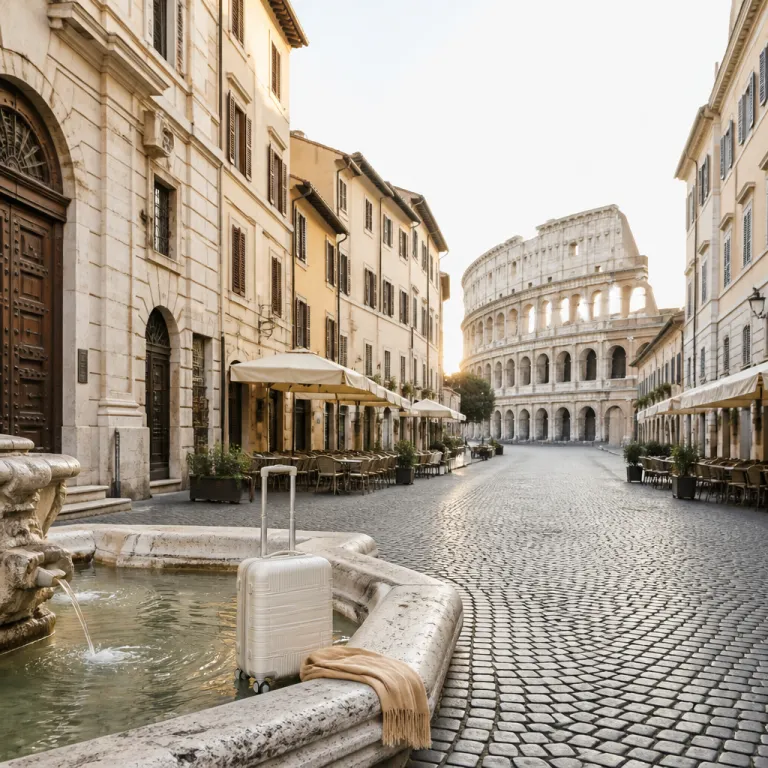
Rome Italy travel tips first time: choosing the right area for your stay
For a Rome Italy travel tips first time perspective, your hotel location shapes almost every moment of your trip. In a city where the historic center, the Vatican City district, and the Termini area all feel very different, the place you sleep will decide how easily you reach each major Roman attraction. Think carefully about how much time you want to spend walking, how often you will use a bus or metro, and whether you prefer quiet evenings or a lively city center atmosphere.
Many first time visitors instinctively book near the Colosseum or the Trevi Fountain, but for a balanced trip Rome often works best when you stay between Piazza Navona and the Spanish Steps. This compact city center zone keeps you within a 20 minute walk of the Colosseum amphitheatre, the Roman Forum, and the main shopping streets, while still allowing quick access by bus or metro to the Vatican Museums and St. Peter’s Basilica. If you plan a Rome itinerary of three days or more, this central base reduces transfers and gives you more days Rome can be spent actually exploring rather than commuting.
Travel professionals such as Rome Explorer and Walks of Italy consistently recommend staying inside or just beside the historic center when it is your Rome first experience. This advice matters especially if your trip includes timed entries for the Colosseum or separate Colosseum and Vatican tickets, because you will avoid long cross city journeys at peak time. When you evaluate hotels, look at walking distances in metres to your priority sites, not only the general city district name, and always check how late public transport runs back to your street.
Designing a realistic Rome itinerary for your first stay
Thoughtful planning of your Rome itinerary is the single biggest thing that separates a rushed trip from a rewarding one. For a Rome Italy travel tips first time approach, imagine the city as three main clusters, with the Colosseum and Roman Forum in one, the Vatican City and Vatican Museums in another, and the historic center with the Trevi Fountain and Piazza Navona in the third. Organise your itinerary days so that each day focuses on one cluster, which reduces travel time and keeps your energy for the actual visit.
On your first full day, many travellers choose a complete guide style route through ancient Rome, starting in the early morning at the Colosseum arena before the big tour groups arrive. From there, you can walk through the Roman Forum and up to the Palatine Hill, then return to your hotel in the city center for a rest before an evening stroll across the Tiber. This pattern of intense sightseeing followed by a quieter neighbourhood walk works well over several days Rome, especially when you factor in the average 15,000 steps that many visitors record during a single day according to fitness tracker data.
Your second or third day might focus on the Vatican City area, where a timed entry to the Vatican Museums and Sistine Chapel is essential for a Rome first visit. Plan to reach the entrance in the early morning again, then continue to St. Peter’s Basilica, where climbing the dome rewards you with one of the best city views in Italy. Keep one flexible day in your trip Rome schedule for the Borghese Gallery, a food focused tour, or simply unstructured time to sit in a café and watch Roman daily life unfold.
Mastering tickets, queues, and guided experiences around major sights
Securing the right tickets in advance is one of the most practical Rome Italy travel tips first time travellers can follow. For the Colosseum, the Roman Forum, and Palatine Hill, an official combined ticket with a fixed entry time allows you to bypass the longest queues and start your day efficiently. When you add a structured tour, you gain context that transforms old stones into a living Roman story, especially around the arena floor and underground areas.
The same principle applies to the Vatican Museums, the Sistine Chapel, and St. Peter’s Basilica, where demand remains high throughout the year. Many visitors book a complete guide experience with operators such as Walks of Italy, combining early morning access to the museums with a carefully paced walk through the galleries and into the chapel. This type of tour often includes practical travel tips about dress codes, security checks, and the best time to return independently to the basilica or the surrounding Vatican City streets.
For the Colosseum Vatican combination, consider how much time you realistically want to spend in each complex on the same day. Some travellers prefer to focus on the Colosseum and the surrounding Roman archaeological area one day, then dedicate a separate day to the Vatican Museums and St. Peter’s Basilica to avoid fatigue. As Rome Explorer notes in its travel guide material, “Book Colosseum and Vatican tickets in advance,” and combine them with a well chosen guide so that your trip Rome feels curated rather than chaotic.
Moving around the city: buses, walking routes, and airport transfers
Understanding how to move through Rome will save you time, money, and frustration during your first stay. The city is compact enough that many key sites in the historic center sit within a 2 kilometre radius, yet the traffic and irregular pavements can make even short distances feel longer. A balanced strategy mixes walking with selective use of the metro and bus network, especially when your hotel is not directly beside a major attraction.
For most visitors, the metro is the best option for predictable travel between the Termini station, the Colosseum area, and the Vatican City district. Buses reach more corners of the city, but they can be crowded and slow at peak time, so treat them as a secondary tool rather than the backbone of your Rome itinerary. When you plan your itinerary days, map out which segments you will walk, which you will cover by bus, and where a taxi or app based car might be worth the cost after a long day on Roman cobblestones.
Airport transfers into the city center deserve equal attention, because a stressful arrival can colour your entire trip Rome. From Fiumicino Airport, the Leonardo Express train runs non stop to Termini in about 32 minutes, while fixed fare taxis currently charge a standard city regulated rate from Fiumicino or Ciampino to central Rome. Once you reach your hotel, ask the concierge for a complete guide style map that highlights safe walking routes back from the Trevi Fountain, the Colosseum, or the Borghese Gallery at night, and always keep the hotel address written down in case your phone battery fails.
Safety, etiquette, and cultural awareness for a refined first visit
Respecting local customs and staying alert to petty crime risks are central Rome Italy travel tips first time guests should internalise. Rome is a big, historic city with a warm character, yet crowded spaces such as the Trevi Fountain, the Colosseum entrances, and the main bus hubs attract pickpockets. Keep valuables in a money belt or zipped inner pocket, and avoid placing phones or wallets in back pockets or open bags during your visit.
Cultural etiquette matters just as much as physical safety, especially around religious sites in the Vatican City and at St. Peter’s Basilica. Shoulders and knees should be covered when you enter churches, and voices kept low inside the Sistine Chapel and other sacred spaces within the Vatican Museums complex. When you dine, remember that Roman meal times start later than in some countries, and that lingering over a glass of wine in the city center is considered part of the experience rather than a thing that delays the next table.
Language courtesy goes a long way, even if you only master a few basic Italian phrases during your trip. Simple words such as “buongiorno” and “grazie” signal respect, and they often lead to warmer service in hotels, cafés, and on guided tour experiences. As Walks of Italy and Rome Explorer both emphasise in their travel tips, learning these basics, staying aware on public transport, and observing local dress norms will help your Rome first stay feel both safe and genuinely connected to everyday life in Italy.
Designing your hotel experience around food, art, and quieter corners
Once you have chosen your district, refine your Rome Italy travel tips first time strategy by aligning your hotel with the experiences you value most. Food focused travellers might prioritise Trastevere or Testaccio, where traditional Roman trattorie cluster along narrow streets yet remain within easy bus reach of the historic center. Art lovers may prefer staying near the Borghese Gallery or in the elegant streets around Via Veneto, where a short walk brings you to landscaped gardens and major museums.
If you crave calm after a long day among crowds at the Colosseum, the Roman Forum, or the Vatican Museums, look for hotels on quieter side streets rather than directly on big piazzas. Many properties in Prati, just across the river from the Vatican City walls, offer a refined residential feel while keeping you close to the Colosseum Vatican transport links and the main bus routes into the city center. When you build your Rome itinerary, schedule at least one early morning walk from your hotel to a nearby café, then continue on foot to your first site before the city fully wakes.
Ask your concierge or a trusted guide from a company such as Walks of Italy for a personalised complete guide to neighbourhood restaurants, wine bars, and gelato shops. Their local knowledge often reveals small Roman places that never appear in mass market travel guides yet sit only a few minutes from your room. Over several days Rome, these familiar spots become anchors in your trip Rome narrative, turning a simple hotel stay into a lived in relationship with one corner of the city.
Key figures to keep in mind for your Rome stay
- Rome welcomes around 10 million tourists per year according to long term estimates from the Rome Tourism Board and national statistics, which means that booking major sites such as the Colosseum and the Vatican Museums in advance is essential for any Rome first itinerary.
- Health authorities and tourism surveys report that visitors often walk about 15,000 steps per day, so comfortable shoes and realistic itinerary days are critical travel tips for every trip Rome.
- Spring and autumn offer the best balance between pleasant temperatures and manageable crowds, making these seasons ideal for a first time visit focused on the historic center and Vatican City.
- Public fountains across the city provide safe drinking water, which helps you stay hydrated at no extra cost during long days Rome spent between the Trevi Fountain, the Roman Forum, and St. Peter’s Basilica.
FAQ: practical questions for a first stay in Rome
What is the best time of year to visit Rome for a first trip ?
Spring and fall offer pleasant weather and fewer crowds, which makes them ideal seasons for a Rome Italy travel tips first time style itinerary that includes both the Colosseum and the Vatican Museums. During these months, you can comfortably walk through the historic center, enjoy outdoor dining in the city center, and still find availability at well located hotels. High summer brings intense heat and bigger crowds, so if that is your only option, plan more early morning starts and midday rest breaks.
Is public transportation in Rome reliable for reaching major sights ?
Is public transportation in Rome reliable? The official guidance confirms that “Yes, but buses can be crowded; metro is more efficient.” For a Rome first visit, use the metro to move quickly between Termini, the Colosseum area, and the Vatican City district, then rely on walking for shorter links within the historic center.
Should I pre book tickets for the Colosseum and the Vatican Museums ?
For any trip Rome that includes the Colosseum complex and the Vatican Museums, pre booking is strongly recommended. Timed tickets reduce waiting time and help you structure your Rome itinerary around fixed entry slots, especially when you want to see the Sistine Chapel and St. Peter’s Basilica on the same day. This approach is one of the most important travel tips for avoiding long queues and ensuring that your Rome Italy travel tips first time plan runs smoothly.
Are credit cards widely accepted in hotels and restaurants ?
Are credit cards widely accepted in Rome? The available guidance states that “Yes, but carry cash for small purchases.” Most hotels, restaurants, and guided tour operators accept major cards, yet small cafés, market stalls, and some taxis still prefer cash, so keep a modest amount of euros on hand during your days Rome.
How many days should I plan for a first visit focused on key sights ?
For a Rome Italy travel tips first time itinerary that includes the Colosseum, the Roman Forum, the Vatican Museums, the Sistine Chapel, St. Peter’s Basilica, the Trevi Fountain, and at least one visit to the Borghese Gallery, plan a minimum of three full itinerary days. Four or five days Rome allows a more relaxed rhythm with time for a food tour, unhurried walks through the historic center, and an evening in a quieter Roman neighbourhood. With this duration, your trip Rome will feel complete without becoming exhausting.
Sources
- Rome Tourism Board
- Rome Health Department
- Walks of Italy