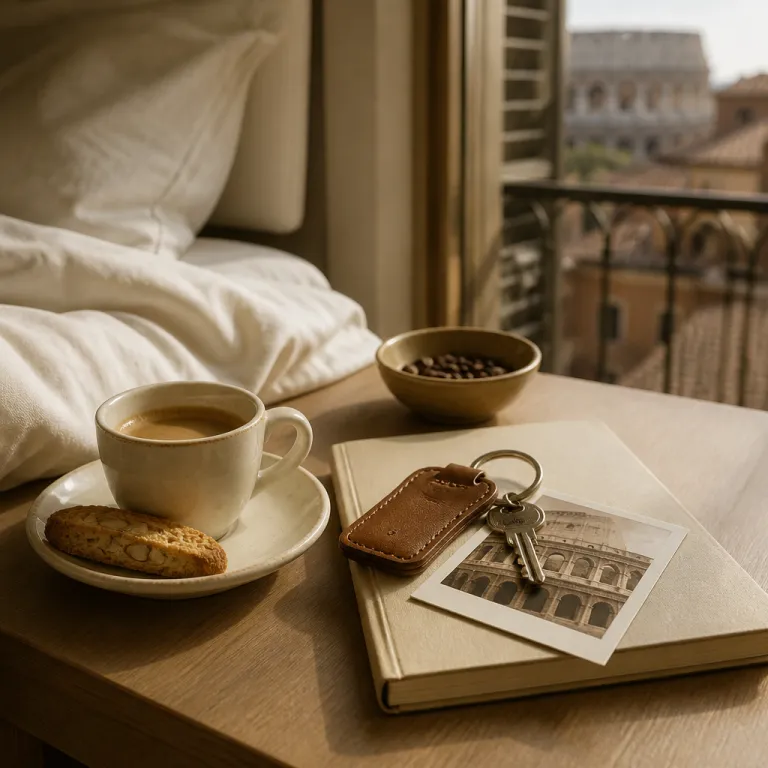
Rome Italy travel guide essentials for hotel guests
Rome is a compact city where many landmarks sit within easy walking distance. As you plan your Rome Italy travel guide, remember that the Eternal City rewards slow exploration over rushed checklists, especially when you stay in a well located hotel. This approach turns every short walk from your room into a curated Rome travel moment through Roman streets layered with ancient stories.
For someone about to book a hotel in Rome Italy, the first decision is which Rome city district best matches your style and schedule. Staying near the Colosseum or the Roman Forum places you inside the heart of Ancient Rome, while a room close to the Vatican or Vatican City suits guests who prioritise the Vatican Museums and Saint Peter’s Basilica during a short trip. Around the Spanish Steps, the atmosphere feels more fashion focused and elegant, ideal for travellers who want an Italian address near designer shops yet still close enough to walk to the Pantheon or the Trevi Fountain in under fifteen minutes.
Public transport in Rome Italy is straightforward once you understand a few basics. Metro lines A, B and C run quickly between key areas of the city, with stops such as Colosseo, Spagna, Ottaviano and Barberini linking many central hotels to major sights. Even so, many hotel concierges still recommend walking or joining a guided tour for short distances because so many things Rome visitors want to see cluster together. Taxis and app based cars fill the gaps at night or after a long day trip, and your hotel reception can usually find reliable drivers who know the fastest routes around Colosseum Roman traffic bottlenecks.
Choosing the right area and hotel for curated city tours
Location shapes every travel guide decision when you visit Rome, especially if you value curated city tours arranged directly through your hotel. Around the historic centre near the Pantheon and Piazza Navona, many properties collaborate with local guides to design a private guided tour that starts in the lobby and reaches the Roman Forum or Palatine Hill within minutes on foot. This makes it easy to fit a half day tour into your schedule without wasting time on long transfers across the city.
Guests who stay near the Vatican often enjoy exclusive early access experiences, where a small group enters the Vatican Museums before regular opening time. From there, a well structured Rome Italy travel guide route can lead you through the Sistine Chapel and into Saint Peter’s Basilica with minimal waiting, which is one of the best ways to experience these sacred spaces. Hotels in this area sometimes arrange transfers that continue towards Ancient Rome, linking Vatican City highlights with Colosseum Roman history in a single seamless day.
If shopping and evening strolls matter most, consider a hotel near the Spanish Steps or Via Condotti. From this refined base, a concierge can help you find a themed Rome city guided tour that combines fashion history, hidden churches, and elegant cafés, ending near the Trevi Fountain for a late night visit. This style of curated experience suits travellers who prefer shorter walks, lighter historical detail, and more time to enjoy Italian aperitivo culture between each stop.
Curated ancient Rome experiences from your hotel door
For many travellers, the emotional core of any Rome Italy travel guide is the first sight of the Colosseum rising above the city streets. When your hotel partners with expert guides, you can join a small group Colosseum tour that uses special entrances and timed tickets to reduce queues and maximise time inside the arena. These curated visits often include access to underground areas or upper tiers, where you gain a deeper sense of how Roman engineering shaped both entertainment and power.
A well designed guided tour rarely stops at the amphitheatre, because Ancient Rome unfolds across the Roman Forum and Palatine Hill just a few steps away. Many hotels now offer combined packages where a single half day trip covers the Colosseum, the Forum, and the Palatine in a logical sequence that follows the rhythm of Roman public life. Walking these ruins with a specialist transforms scattered stones into a living city, especially when your guide links political speeches in the Forum to the imperial palaces that once crowned the hill above.
Some properties go further and arrange evening experiences that revisit ancient themes in a quieter atmosphere. After sunset, a private driver can collect you from the lobby and bring you to viewpoints where the Colosseum Roman arches glow against the sky, then continue towards the Capitoline Museums for late openings on selected days. This style of curated Rome travel balances historical depth with comfort, allowing you to absorb complex stories without worrying about logistics or crowded public transport at night.
Vatican masterpieces and sacred spaces with hotel arranged guides
No serious Rome Italy travel guide can ignore the artistic and spiritual weight of the Vatican, especially for guests staying nearby. Hotels in Prati and around Vatican City often maintain long standing relationships with licensed guides who specialise in the Vatican Museums and the Sistine Chapel. Through these partnerships, you can secure timed entries that align with your preferred day and avoid the most intense crowds that gather during peak travel seasons.
A typical curated route begins in the galleries of the Vatican Museums, where your guide selects the best highlights rather than attempting to cover every room in a single visit. From there, the path leads towards the Sistine Chapel, where controlled silence and strict rules make expert commentary before entry especially valuable for understanding Michelangelo’s ceiling in the short time allowed. Many hotel concierges recommend continuing directly into Saint Peter’s Basilica, so that the narrative flows naturally from papal collections to the heart of Catholic worship in the Eternal City.
For travellers with more days in Rome, some hotels coordinate extended Vatican themed itineraries that include lesser known museums or climbs to the dome of Saint Peter’s Basilica for sweeping city views. These experiences often pair well with an afternoon stop at the Borghese Gallery, where another reservation only system keeps numbers limited and the art remarkably accessible. When your accommodation manages these complex bookings, you gain a coherent travel guide structure that weaves together sacred art, sculpture, and the broader story of Italy in a way that feels both curated and calm.
Living Rome: fountains, steps, and neighbourhood walks from your hotel
Beyond monuments and museums, a refined Rome Italy travel guide must include time for simply wandering the city. Many hotels now offer neighbourhood orientation walks as a complimentary service, where a staff member or local guide shows you the best cafés, gelato shops, and quiet corners within a ten minute radius. This gentle introduction helps you find your bearings quickly, so that every later visit Rome outing feels more confident and relaxed.
From central hotels, it is easy to design short themed strolls that link iconic sites with everyday Italian life. One popular route leads from the Spanish Steps down towards the Trevi Fountain, then continues through narrow lanes to the Pantheon, with pauses for espresso or aperitivo along the way. Another evening walk might circle back towards the river, where you can reflect on the contrast between the Eternal City’s illuminated domes and the more intimate things Rome residents cherish, such as local markets and family run trattorias.
Concierges often keep printed maps or digital travel guide suggestions that highlight safe, scenic paths suitable for different times of day. Early morning is ideal for photography around the Trevi Fountain or the Pantheon, while late afternoon light flatters the façades near Piazza Navona and the Roman Forum viewpoints. Remember the core local advice shared with many visitors: “Wear comfortable shoes, stay hydrated, and be cautious of pickpockets,” because these simple habits protect both your enjoyment and your belongings during every city walk.
Designing seamless day trips and multi day itineraries from your hotel
Once you have explored the main city highlights, your Rome Italy travel guide naturally expands to include day trip options. Many hotels collaborate with trusted drivers and guides to create full day excursions that start and end at your door, removing the stress of train schedules or unfamiliar roads. From Rome, classic choices include hill towns in Lazio, vineyards that showcase Italian wine culture, or archaeological sites that extend the story of Ancient Rome beyond the capital.
Within the city itself, a thoughtful multi day itinerary balances intense historical visits with lighter experiences and rest. One day might focus on the Colosseum, the Roman Forum, and Palatine Hill, while the next centres on the Vatican Museums, the Sistine Chapel, and Saint Peter’s Basilica, leaving a third day for the Borghese Gallery and open air squares. Your hotel’s concierge or guest relations team can act as a personalised travel guide, adjusting timings to avoid peak heat, arranging restaurant reservations, and ensuring transfers between each guided tour run smoothly.
For travellers who prefer maximum flexibility, some properties offer modular experiences that you can combine as you go. You might book only a morning Colosseum Roman visit on the first day, then decide later to add an evening food tour or a second day trip based on how you feel. This approach respects the reality that every trip evolves over time, while still giving you access to the best local expertise and carefully vetted partners across Rome and wider Italy.
Key figures that shape your stay in Rome
- Rome welcomes many millions of visitors each year according to estimates from the Italian National Institute of Statistics (ISTAT), which means timed entries and hotel arranged guided tours are essential for comfortable access to major sites.
- The city contains hundreds of churches, based on data cited by the Municipality of Rome (Roma Capitale), giving hotel concierges a vast choice when recommending quieter alternatives to Saint Peter’s Basilica for reflective visits.
- With numerous monumental fountains documented by municipal cultural offices, including the Trevi Fountain, curated walking routes from central hotels can easily include several remarkable water features in a single hour.
- Spring and autumn are widely regarded as the best seasons to visit Rome, because milder temperatures and slightly lower visitor numbers make outdoor tours and city walks more pleasant.
FAQ: planning hotel based experiences in Rome
What is the best time to visit Rome for hotel based tours ?
Spring and fall offer mild weather and fewer crowds, which makes it easier for hotels to secure preferred time slots for Colosseum, Vatican Museums, and Borghese Gallery visits. During these seasons, walking between city landmarks feels more comfortable, and outdoor cafés near the Pantheon or the Spanish Steps become natural pauses in your day. High summer can still work well if your travel guide plan includes early morning or late evening guided tour departures arranged through your accommodation.
Is Rome a walkable city from most central hotels ?
Is Rome a walkable city ? Yes, many attractions are within walking distance, especially if you stay in the historic centre, near the Vatican, or around the Spanish Steps. From these areas, guests often reach the Trevi Fountain, the Pantheon, or viewpoints over the Roman Forum in less than twenty minutes on foot. Your hotel can provide tailored maps that link key things Rome visitors want to see into logical walking loops suited to your fitness level and available time.
Do I need to speak Italian to visit Rome and use hotel services ?
Do I need to speak Italian to visit Rome ? Basic Italian helps, but many locals speak English, particularly in hotels, restaurants, and tour companies that work regularly with international guests. Learning a few polite phrases still enhances your experience and shows respect for local culture during every city interaction. When language becomes complex, your hotel concierge or guide can usually bridge the gap, especially for bookings, special requests, or travel guide clarifications.
How can my hotel help me avoid crowds at major sites ?
Many properties pre book timed entries for the Colosseum, the Vatican Museums, and the Borghese Gallery, which significantly reduces waiting times at security lines. They also know which days and hours are usually quieter, so they can schedule your guided tour of Ancient Rome or Vatican City accordingly. Combining early starts with strategic taxi transfers often allows you to visit Rome highlights before large groups arrive, then return to the hotel for a restful break at midday.
Are hotel arranged day trips from Rome worth the cost ?
Hotel arranged day trip experiences usually cost more than independent travel, but they deliver strong value for guests who prioritise comfort, time efficiency, and reliable service. You gain door to door transfers, vetted guides, and a clear travel guide structure that reduces the risk of missed trains or closed sites. For many visitors, especially on shorter stays, this curated approach turns a complex itinerary across Rome and central Italy into a smooth, memorable journey.
Trusted references for further planning
For deeper practical information about Rome and Italy, consult the official website of Roma Capitale for municipal updates, the Italian National Tourist Board (ENIT) for nationwide travel guidance, and Vatican.va for details on Vatican City religious services and opening hours.