Is Rome safe for tourists when choosing a hotel
Rome is generally safe for tourists who plan carefully and choose their hotel with the same attention they give to flights or museum tickets. The Rome Police Department has increased patrols and surveillance in the historic city centre, which means you will find a visible security presence around major sights and popular walking routes. Most people who travel to Rome for a short trip experience only minor inconveniences, if any, and feel comfortable walking between their hotel and nearby restaurants.
Official data from local authorities shows that petty theft such as pickpocketing remains the main safety concern in Rome, not violent crime against visitors. According to the Italian National Institute of Statistics (ISTAT) and municipal crime reports for 2022, incidents involving tourists are concentrated in busy hubs rather than residential streets. When you ask whether Rome safety conditions are good enough for a first visit, the honest answer is yes, provided you keep normal big city habits and plan your walking routes with the same care you give to your choice of hotel.
Many travellers worry about Rome night safety around stations or narrow streets, yet most central districts remain lively and well lit until late evening. If you stay in a central hotel near the Pantheon, Piazza Navona, or the Vatican area, you will usually walk back safely after dinner along streets filled with other people and open cafés. The key is to allow enough time to return, avoid deserted shortcuts when walking in Rome at night, and keep valuables close so that you feel in control of your surroundings.
Understanding Rome by day, evening, and night
Safety in Rome changes slightly between day, evening, and night, so it helps to match your hotel choice to the rhythm of the city. During the day, crowded sites such as the Colosseum, the Trevi Fountain, and the Vatican Museums feel safe but attract pickpockets who rely on distracted people taking photos or checking maps. If you keep your phone secure, use a crossbody bag that closes fully, and avoid leaving a bag on a café chair, you will reduce the most common issues Rome visitors report.
As evening falls, many travellers enjoy a relaxed walk from their hotel to dinner in Trastevere, Monti, or the Jewish Ghetto, where the atmosphere is festive and the streets are busy. This is usually the best time to experience Rome nightlife, because restaurants are open, families stroll with children, and you will find both locals and tourists sharing the same pavements. A safe walk in these neighbourhoods means staying on main streets such as Via del Corso or Viale Trastevere, crossing only at lights, and giving yourself enough time to return before the last metro if you do not plan to use taxis.
Late at night, especially around Termini station or some outer districts, the city feels different and less polished, so you should adapt your behaviour. If you return to your hotel after midnight, consider using official white taxis rather than walking long distances through quiet streets. Many people feel more relaxed when they keep a small map ready, plan the route in advance, and avoid standing outside with luggage for a long time during these late hours of reduced foot traffic.
Choosing the best area and hotel for a safe Rome stay
Where you sleep in Rome will shape how safe you feel when you step outside your hotel door. Central districts such as Centro Storico, Prati near the Vatican, and the streets around Piazza di Spagna offer a good balance of charm, transport, and late night activity that supports a safe walk home. These areas are popular with people on a first trip to Italy because you can spend more time walking and less time navigating unfamiliar suburbs.
When comparing options, look beyond the star rating and focus on the exact street, nearby transport, and how far you will walk after dinner. A hotel on a quiet side street just off a lively piazza can be one of the best choices, because you enjoy calm nights while still reaching restaurants and white taxis within a minute or two. Read recent guest reviews that mention safety, noise, and lighting, as these often highlight practical issues visitors notice more than décor or breakfast variety.
For travellers who plan to visit the Vatican early in the day, staying in Prati or near Ottaviano metro station reduces commuting time and keeps you in a safe, central environment with wide pavements and regular police patrols. If you prefer nightlife, Trastevere offers character and busy streets, but you should keep your crossbody bag closed and avoid leaving a bag dangling on the back of a chair. In every district you will find both excellent and average properties, so choose a hotel that matches your walking habits and your comfort level with Rome streets after dark.
Practical safety habits for walking Rome
Good habits matter more than luck when you walk through Rome with a camera, phone, and cards. The Rome Police Department and the Tourist Assistance Center both emphasise three simple rules for visitors: "Stay alert in crowded areas", "Use official taxis", "Keep valuables secure". These guidelines reflect the reality that most issues tourists face involve unattended bags, open pockets, or confusion at stations rather than targeted attacks.
Use a sturdy crossbody bag worn across your chest, keep zips closed, and never hang a bag casually on the back of a restaurant chair where someone can lift it in seconds. When you cross busy junctions, watch scooters as well as cars, and avoid checking your phone in the middle of the road even if you feel rushed for time. Many people now download free offline maps before their trip, which allows them to check directions discreetly in a doorway rather than standing in the open with a phone held high.
In metro stations and on buses, keep your wallet in a front pocket or inside compartment, and hold your bag in front of you when the carriage is crowded. If someone bumps into you repeatedly or tries to distract you with questions while another person stands very close, move away or step off at the next stop to protect your belongings and your overall experience. These small adjustments will make walking in Rome feel more relaxed, whether you explore by day or return to your hotel in the evening after a long dinner.
Transport, taxis, and late night returns to your hotel
Transport choices strongly influence how safe Rome feels, especially when you travel back to your hotel after dark. Official white taxis are regulated, metered, and considered safe, so always choose them from marked ranks outside stations, major piazzas, and the Vatican area. Avoid unmarked cars that approach you directly, and if you have any doubts, walk a short distance to a busier spot where you will find a proper taxi stand.
Public transport in Rome operates until late evening, with night buses covering main routes after the metro closes, but crowded vehicles can attract pickpockets. When you board, keep your crossbody bag in front, hold it closed, and stand where you can see both doors and other people, which will help you feel more in control. If a bus or tram feels uncomfortably packed, let it pass and wait for the next one, because saving a few minutes of time is never worth the stress of worrying about your wallet.
For arrivals and departures, plan how you will travel between the airport, Termini station, and your hotel, especially if your flight lands late at night. Many hotels can arrange transfers or advise on the best combination of train, taxi, or shuttle to keep your route simple and visitor friendly. When you step off a train at Termini, follow signs to the main exit, ignore unsolicited offers of help with luggage, and head straight to the official taxi rank or the metro entrance without lingering in the station hall.
How authorities in Rome work to keep tourists safe
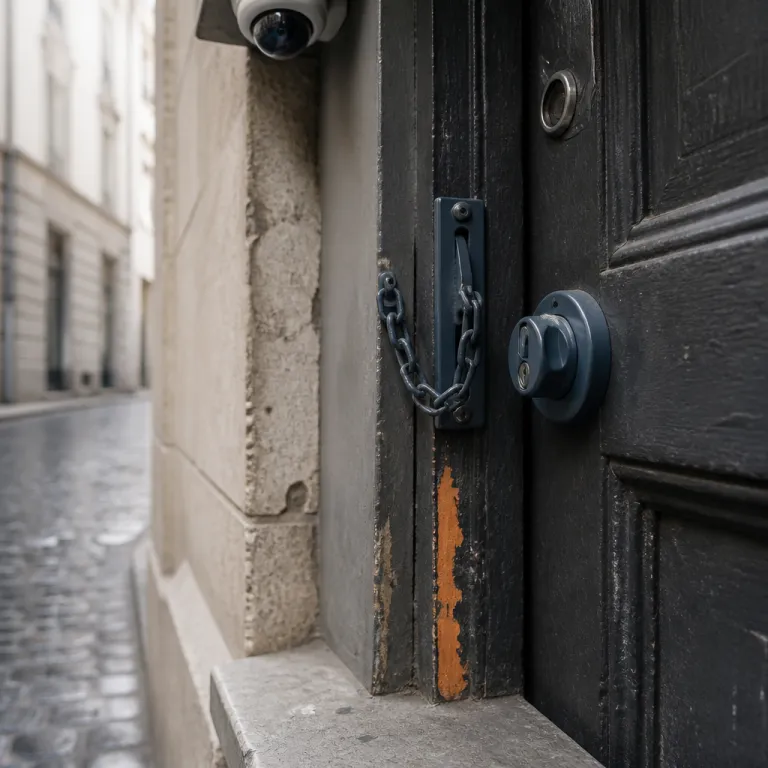
Behind the scenes, a coordinated network of public and private actors works every day to keep Rome safe for the millions of people who visit. The Rome Police Department has expanded patrols in high traffic zones, while local businesses and tourist organisations cooperate to report suspicious behaviour quickly and support visitors who face minor issues such as lost documents or stolen phones. Surveillance cameras and emergency contact points now cover many of the main tourist corridors, which helps authorities respond faster when something goes wrong.
Tourist arrivals in Rome reached about 9.7 million overnight visitors in 2019, according to municipal tourism statistics, and that high volume inevitably attracts opportunistic thieves who target distracted travellers rather than specific individuals. Based on 2019–2022 tourism statistics from the Municipality of Rome and ISTAT, most reported incidents involve property crime in and around major attractions and transport hubs. The Tourist Assistance Center, reachable via the general information number +39 06 0608, can guide you in English if you need help after an incident or simply feel unsure about the next steps.
Technology also plays a growing role, with more advanced monitoring tools helping authorities track patterns and deploy resources where they are most needed across the city. While no large capital in Italy can promise a completely risk free environment, the combination of visible policing, better lighting, and informed travellers makes Rome’s streets at night significantly safer than many people expect. If you stay aware, plan your routes, and choose a well located hotel, you will find that safe walking routines soon become second nature during your trip.
Key safety figures for Rome tourists
- Rome welcomes roughly 9.7 million overnight visitors per year in peak pre-pandemic years, which means a very high number of people walk the same streets without serious incidents, although petty theft remains the main risk for tourists according to local tourism data.
- Police records from the Rome Police Department indicate around 12,000 to 15,000 reported pickpocketing cases annually in recent years, concentrated in crowded areas such as Termini station, the Colosseum surroundings, and buses serving the historic centre.
- Local authorities report that violent crime against tourists is relatively rare compared with property crime, which is why safety advice focuses on how to keep bags, phones, and documents secure during both day and night.
- In recent years, the city has increased the number of surveillance cameras and patrols in key tourist zones, aiming to reduce petty crime and improve response times when visitors call emergency services.
FAQ : is Rome safe for tourists
Is Rome safe at night near central hotels
Central areas such as Centro Storico, Trastevere, and Prati are generally safe at night, with many people on the streets and regular police patrols, so most visitors feel comfortable walking between restaurants and their hotel. Stay on well lit main roads, avoid deserted shortcuts, and use official white taxis if you are returning very late or carrying luggage. As in any large city, alcohol, isolation, and distraction increase risk, so keep your phone and crossbody bag secure and plan your route before you leave.
Are taxis in Rome safe for tourists
Official white taxis in Rome are considered safe and are regulated by the city, with meters and clear identification numbers on the doors and inside the car. Always take taxis from marked ranks at stations, airports, and major piazzas, or ask your hotel to call one for you rather than accepting rides from unmarked vehicles. Check that the meter is running, keep small notes ready to pay, and ask for a receipt, which will help you if you need to trace the ride later.
How common is pickpocketing in Rome
Pickpocketing is relatively common in crowded tourist areas of Rome, especially on buses, in metro stations, and around famous landmarks where people are distracted by photos and maps. Most incidents involve unattended bags or open pockets, not confrontation, so using a closed crossbody bag and keeping wallets in front pockets significantly reduces the risk. Stay alert in queues, on public transport, and when someone creates a distraction, and you will find that your trip passes without serious problems.
Which areas are best to stay in for safety
For first time visitors, the best areas for a balance of safety, atmosphere, and convenience include Centro Storico, Prati near the Vatican, Trastevere, and the streets around Piazza di Spagna. These districts offer plenty of hotels, restaurants, and transport options, along with good lighting and regular foot traffic late into the evening. When choosing a property, focus on the exact street, proximity to main roads, and recent guest comments about how safe they felt walking back at night.
What should I do if I have a safety issue in Rome
If you experience theft or feel threatened in Rome, move to a busy area, contact the emergency number 112 for the police, and then inform your hotel so they can assist with practical steps. The Tourist Assistance Center, reachable via the city information line +39 06 0608, can provide guidance in several languages on reporting incidents and replacing documents. File a police report as soon as possible, both for insurance purposes and to help authorities track patterns and improve safety for future visitors.
Sources
- Rome Police Department, annual crime bulletins (latest consolidated figures 2022)
- VisitRome.com, official tourism statistics and safety guidance (accessed 2024)
- Tourist Assistance Center, Rome, information line +39 06 0608 and municipal travel advice
- Italian National Institute of Statistics (ISTAT), crime and tourism datasets for Rome (2019–2022)