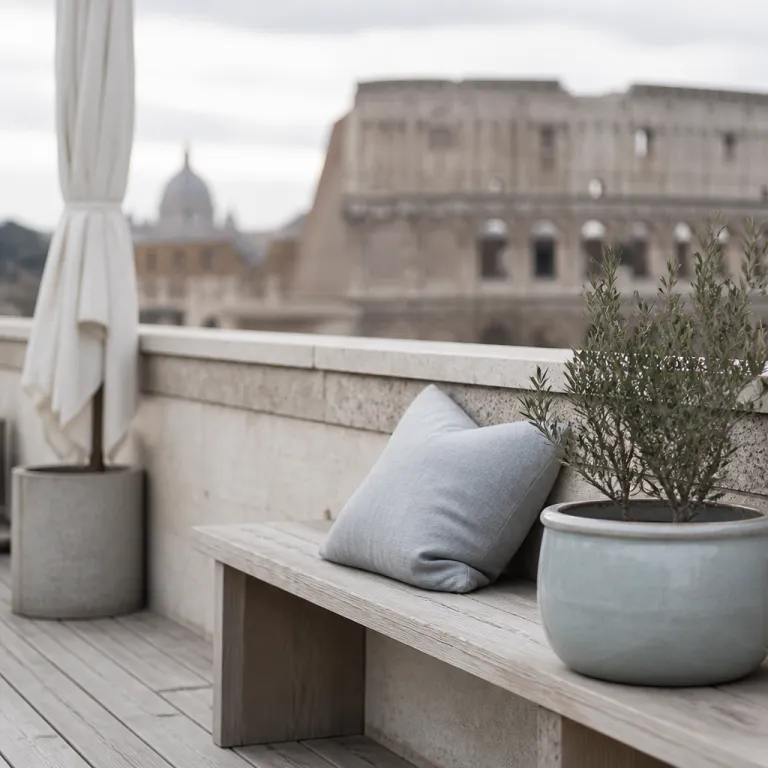
Why early autumn is the best time to visit Rome
Ask any Roman when to visit the city and many will quietly say September. The best time to visit Rome is when the Eternal City exhales after summer and the light softens over travertine facades. In this season you feel Rome at its most local, with residents back from the coast and the rhythm of the year settling again.
From late August into the first days of September, the weather shifts from punishing summer glare to measured, walkable days. According to historical climate data from the Italian Air Force Weather Service, average Rome weather in September and early October hovers around 18 to 25 degrees Celsius, which means you can cross the historic center on foot without planning your day around shade. These are the months when visiting Rome becomes less about endurance and more about pleasure, when the temperatures finally match the pace of a slow morning espresso and an unhurried evening food and wine pairing in Trastevere.
High summer in Rome is defined by heat, queues and a certain suspended animation as locals escape to the Amalfi Coast or to Sicily. By contrast, this early autumn season brings manageable crowds, shorter lines at the Vatican Museums and a sense that the city belongs again to those who live here. If you choose this best time window to visit Rome, you gain both space and time, trading the crush of July for clear views across the Forum and a seat at the bar on a Thursday night.
For travelers planning a short city break of three to five days, this month in Rome offers a rare balance. You still enjoy long enough daylight for an afternoon guided walk, yet the evenings are cool enough for a jacket and a rooftop negroni above Piazza Navona. The overall experience feels calibrated rather than compromised, which is why many frequent travelers quietly consider September the best season of the year in the Italian capital.
Post-Jubilee Rome, queues and how to time your curated city tours
Recent years of major events and infrastructure upgrades, including the 2016 Extraordinary Jubilee of Mercy and preparations for the 2025 Holy Year, have changed how you should think about the best time to visit Rome for major sights. September now acts as the first true shoulder season month when queues normalize and the city’s services finally catch their breath. For a visit focused on art and history rather than waiting in line, this shift matters more than any glossy brochure promise.
Traveler reports and ticketing data from official Vatican channels suggest that in this season Vatican Museums waits often drop to around 30 to 45 minutes for standard entry, compared with the two to three hours that can define peak summer days. That difference reshapes your entire day tour strategy, because you can book a morning Rome tour in English, step into the galleries while the temperatures are still gentle and still have time to wander the backstreets by late afternoon. To anchor these curated city tours around your hotel, use it as a base in the historic center or Prati and follow practical advice such as the one in this guide on using your hotel as a base for Rome guided tours in English.
For shoulder season, a realistic rule is to reserve your hotel about four to six weeks ahead and secure a morning Vatican slot three to four weeks before your travel dates. That timing respects the new rhythm of the year without locking you in months in advance, especially if you are pairing a stay in Rome with time in Naples or a quick escape to the Amalfi Coast. When planning curated experiences, keep one day for a focused art immersion, one day for slower neighborhood walks and one flexible day for a spontaneous city tour or a train trip south.
September and early October also bring key events that subtly shape crowds, from fashion shows to food and wine festivals in Testaccio and along the Tiber. For example, the Taste of Roma food festival typically takes place in September, while the Romaeuropa Festival of performing arts runs from early autumn into November. These do not overwhelm the city the way high season holidays can, but they do add texture to your visit plans and may nudge you to book certain restaurants or private guides earlier. Think of this month in Rome as a stage where the Eternal City performs for its own residents first and for visitors second, and plan your curated city tours to slip into that existing script.
Choosing the right neighborhood and hotel for September stays
When you visit Rome in early autumn, your neighborhood choice matters as much as your museum list. The best time to stay near the historic center is when the crowds thin just enough that you can cross Piazza di Spagna at 09.00 without feeling swept along by a tour group. In this season, streets like Via del Babuino, Via Giulia and the lanes of the Ghetto regain their human scale, which changes the entire experience of daily city life.
For travelers who want to walk almost everywhere, staying between the Pantheon and Piazza Navona gives you a five to fifteen minute walk to most major sights. Temperatures in September and October make these short days on foot comfortable, so you can step out from your hotel after breakfast, reach the Forum or Trastevere without a taxi and still return for a late afternoon rest before an evening food and wine pairing nearby. If you prefer a quieter base, Prati north of the Vatican Museums or the residential streets around Aventino offer leafy calm while keeping you within a short ride of the center.
Value shifts with the season, and September often delivers a sweet spot between high summer rates and winter discounts. You will usually find better prices for a three or four night stay if you avoid major key events and book slightly off the weekend, especially for hotels that cater to both leisure and business travel. To refine your choice by area and free local experiences, use resources such as this guide to free things to do in Rome near your hotel, then match those suggestions to your own preferred month and style of visiting Rome.
Think of your hotel not just as a bed but as a lens on the Eternal City. In September, a room with a small balcony over a quiet cobbled street can be more valuable than a grand lobby, because the mild weather invites you to keep the windows open at night and listen to the city’s softer soundtrack. Choose a place where the staff can arrange a last minute tour, suggest a non obvious trattoria and help you time your days around the best light on the domes rather than around the crowds.
Designing a three day September itinerary around curated city tours
Once you have fixed your best time to visit Rome in September, structure your days with a light but deliberate hand. A three day framework works well for experience seeking travelers who want curated city tours without feeling over scheduled. The goal is to balance headline sights with the quieter moments that happen between appointments.
On day one, start early with a pre booked Vatican Museums and St Peter’s Basilica visit, entering as close to opening time as possible, ideally between 08.00 and 09.00. Cooler morning temperatures and thinner crowds make this the ideal time for such an intense complex, and you will emerge by late morning ready for a slow lunch in Prati or near Piazza del Popolo. Use the afternoon for a walking tour through the historic center, looping from the Spanish Steps to the Pantheon and across the river to Trastevere as the day softens.
Day two can focus on classical Rome, with the Colosseum, Forum and Palatine Hill in the morning and a more contemporary city reading in the afternoon. Early autumn light flatters the ruins, and the weather usually allows you to linger on the Palatine without seeking shade every few minutes. Later, consider a curated food and wine walk in Testaccio or Ostiense, where the experience of local life feels anchored in markets, street art and neighborhood tables rather than in monuments.
For day three, keep your schedule deliberately open and let the season guide you. You might take a train south for an elegant day trip, using advice such as the one in this guide to elegant day trips from Rome by train if you are pairing time in the capital with Naples or even Sicily later in your journey. Or you may simply wander the lesser known rioni, timing your walks to the late afternoon when the year’s first hint of autumn cool touches the stones and the Eternal City feels, briefly, entirely yours.
FAQ
Is September really the best time to visit Rome for first timers ?
For many first time visitors, September offers the most balanced conditions in terms of Rome weather, crowds and overall experience. You get warm but not oppressive temperatures, shorter queues at major sights and a city that has returned from its summer break. That combination makes it easier to understand the Eternal City at a humane pace.
How many days should I plan in Rome in September ?
A stay of three to five days usually works well for visiting Rome in this season. Three days allow you to see the Vatican Museums, the Colosseum area and the historic center without rushing every day. If you have five days, you can add a curated food and wine tour or a day trip towards Naples or the Amalfi Coast.
Do I need to book Vatican Museums tickets in advance in September ?
Even though queues are shorter than in peak summer, you should still reserve Vatican Museums tickets in advance for a September visit. Booking a morning entry slot helps you avoid the main crowds and makes better use of the cooler part of the day. Aim to secure your preferred time at least three to four weeks before your travel dates.
What should I pack for Rome weather in September October ?
Expect mild days and cooler evenings, with average temperatures roughly between 18 and 25 degrees Celsius. Pack light layers, comfortable walking shoes and a light jacket or sweater for nights, especially later in the month. A compact umbrella can be useful, but heavy rain is less common than in late autumn months.
Is September a good month Rome for combining Rome with other parts of Italy ?
September is an excellent month Rome for pairing a city break in Rome with coastal or southern destinations. The Amalfi Coast and Sicily are still warm enough for swimming, while cities like Naples have slightly fewer crowds than in peak summer. This season lets you enjoy both urban culture and late summer sea days in a single trip.