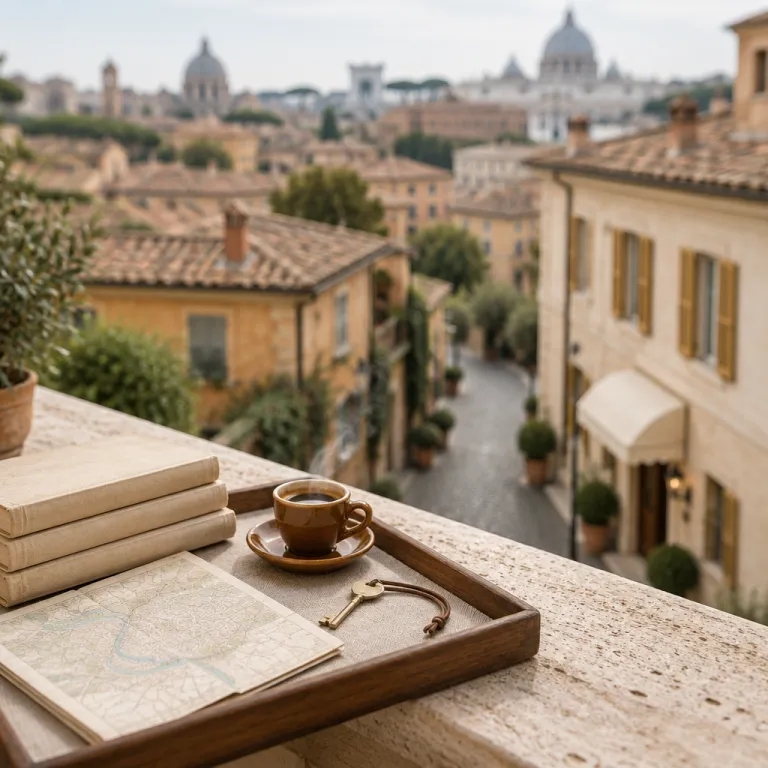
Choosing a hotel in literary Rome near the pages of history
Staying in the right part of Rome shapes every chapter of your stay. For a reader, the ideal hotel in literary Rome sits within walking distance of a historic piazza, a landmark fountain, and the quiet corners where a writer once paused with a notebook. When you compare addresses, think not only about monuments but about how easily you can join curated walking tours that turn the city into an open book.
Many travelers looking at hotels in Rome focus on the Colosseum or Vatican, yet the most evocative literary neighborhoods cluster around Piazza di Spagna, Via del Corso, and Piazza del Popolo. From a room near these streets, you can join short tours or a longer literary tour that threads together the Spanish Steps, the Keats Shelley House at Piazza di Spagna 26, and the cafés where Henry James and Hans Christian Andersen observed the city. Proximity matters because the best walking tours in literary Rome often start early, and a five minute stroll from your house for the night is far more elegant than a thirty minute taxi ride.
When you evaluate locations, map how far the hotel stands from Piazza di Spagna, Piazza del Popolo, and the obelisks that anchor these squares. A refined property on or just off Via del Corso lets you reach the Keats Shelley House, the fountain in the piazza, and the Spanish Steps in a few minutes on foot. This central position also keeps you close to metro lines and bus routes, which is essential if you plan to tour Rome by day and attend performances or chapel concerts in the evening; ATAC, the city’s public transport operator, publishes current maps and timetables that show how well these districts are served.
Staying by Piazza di Spagna and the house where Keats died
For many readers, literary Rome begins at Piazza di Spagna and the house where John Keats spent his final months. When you book a hotel near the Spanish Steps, you sleep within sight of the same fountain and piazza that comforted Keats as he listened to the water and watched the city move below. This area is ideal for curated walking tours that focus on the Romantic poets and the writers who followed them.
The Keats Shelley House, often called the Shelley House, stands directly beside the Spanish Steps and offers one of the most intimate museum experiences in Italy. Inside this small house, you find first editions, manuscripts, and portraits of John Keats, Percy Bysshe Shelley, and Lord Byron, along with displays explaining how and why Keats died in Rome. The museum typically opens from late morning to early evening on most days, with reduced hours on Sundays and closures on certain holidays, so it is wise to confirm the current schedule before you go. Many literary tour itineraries begin here, then continue through Piazza di Spagna and along Via del Corso, linking the lives of the Romantic poets with later visitors such as Henry James and Hans Christian Andersen.
Hotels around Piazza di Spagna range from discreet luxury to classic city addresses, and most concierge teams can arrange private tours that highlight the Keats Shelley collection and nearby sites. Couples planning a refined escape often choose this district because it combines romance, history, and easy access to curated experiences; for inspiration, a dedicated romantic Rome itinerary for couples staying in the city center can help you structure days around both literature and leisurely meals. From this base, you can join group walking tours, commission a private literary tour of Rome, or simply wander the piazza at dusk when the fountain, the steps, and the obelisk glow softly against the sky.
From Piazza del Popolo to Via del Corso: tracing writers across the city
North of Piazza di Spagna, Piazza del Popolo forms another essential chapter in literary Rome. The wide piazza, framed by twin churches and an Egyptian obelisk, has welcomed travelers entering the city for centuries, including Romantic poets and later novelists. Choosing a hotel between Piazza del Popolo and Via del Corso places you on a historic axis that many curated tours still follow today.
From a guest room in this area, you can walk to the church of Santa Maria del Popolo, where masterpieces by Caravaggio hang in the Cerasi Chapel and have long impressed visitors. Several literary tour routes pause here to discuss how the church, the piazza, and the surrounding streets shaped foreign views of Rome and of Italy more broadly. After visiting the chapel, guides often lead guests down Via del Corso, pointing out palaces, former houses, and cafés that appear in nineteenth century travel books and letters.
Mature travelers who value culture over nightlife often appreciate this quieter yet central district, which still offers easy access to curated experiences tailored to hotel guests. Many high end properties here collaborate with specialists who design walking tours focused on art, architecture, and the lives of writers; for a deeper perspective, you can consult a guide to elegant cultural experiences in Rome for refined hotel stays. From this base, you can also reach the Keats Shelley House, the Spanish Steps, and Piazza di Spagna in about ten minutes on foot, allowing you to experience both the bustle of the city and the calmer mood of the northern piazza in a single day.
Curated literary tours for hotel guests: from Romantic poets to modern voices
Once you have chosen a hotel in literary Rome, the next step is selecting the right tours. Many operators now design walking tours specifically for hotel guests who want a private or semi private literary tour that begins in the lobby and ends at a favorite piazza or fountain. This approach allows you to experience the city as a continuous narrative rather than a checklist of monuments.
A classic route focuses on the Romantic poets, starting at the Keats Shelley House where John Keats died and continuing to sites associated with Percy Bysshe Shelley and Lord Byron. Guides often weave in readings from letters and poems, explaining how the light on a particular fountain in a piazza or the sound of bells from a chapel influenced the writers’ work. Some itineraries extend toward the Tiber, where you can discuss how Henry James and later authors portrayed Rome as both eternal city and modern capital of Italy.
Other curated tours highlight the broader literary city, including the cafés and salons where Hans Christian Andersen, Henry James, and twentieth century writers gathered. A stop at the historic Harry’s Bar on Via Veneto, for example, allows guests to reflect on how the image of Rome shifted from Romantic pilgrimage site to cosmopolitan setting for novels and films; the bar became particularly well known in the mid twentieth century as Via Veneto developed into a symbol of “La Dolce Vita.” When you compare options for a tour of Rome, ask whether the guide can tailor the route to your favorite writer, whether that is Keats, Shelley, or a contemporary author whose book first led you to this city.
Designing your own literary Rome itinerary from your hotel
Not every traveler wants a fully guided experience, and many hotel guests prefer to shape their own days in literary Rome. With a good map and a carefully chosen reading list, you can turn simple walks between your house for the night and major sites into informal walking tours. The key is to link each piazza, fountain, and chapel with a specific writer or passage.
One self guided route might begin at Piazza di Spagna, where you visit the Keats Shelley House and spend time in the room where Keats died, then continue down Via del Corso toward the political heart of the city. Along the way, you can pause at a fountain in a smaller piazza, read a page from Henry James, and imagine how the same streets appeared to him. From there, you might cross toward Piazza del Popolo, stand beneath the obelisk, and recall how Romantic poets such as Percy Bysshe Shelley and Lord Byron described Rome as a place where past and present coexist.
Another day could focus on ecclesiastical Rome, starting from your hotel and visiting a chapel or church associated with a particular pope or era, then ending in a quiet square with a fountain piazza that invites reflection. To make logistics easier, consider using a detailed Rome city pass comparison for hotel based stays, which can clarify transport options and entry fees for key sites. With this framework, every short tour you design becomes a personal literary tour of Rome, shaped by your own reading and paced to match your stay.
Practical tips for booking a hotel that supports literary tours
When you evaluate hotels in Rome with a literary focus, pay close attention to concierge services and partnerships with local guides. Properties that regularly arrange walking tours or a bespoke literary tour of the city will usually highlight this in their descriptions or guest reviews. A strong relationship between the hotel and expert guides often results in more flexible itineraries and better access to small museums such as the Keats Shelley House.
Ask directly whether the concierge can organize private tours that start and end at the hotel, including visits to Piazza di Spagna, the Spanish Steps, Piazza del Popolo, and key chapels. Clarify whether guides can adapt routes to include specific interests such as Romantic poets, Henry James, Hans Christian Andersen, or the role of various popes in shaping the city’s architecture. If you enjoy evening walks, request options for twilight tours that show how the light on each fountain, obelisk, and piazza changes the mood of literary Rome.
Location remains crucial, but thoughtful amenities also enhance a literary stay, from a quiet reading lounge to a small library where you can borrow a book about Rome or Italy. Some hotels host occasional talks by a writer or scholar, turning the house into a temporary salon that echoes the gatherings once held near Via del Corso and other central streets. When these elements align, your hotel becomes more than a place to sleep; it becomes a base for exploring the city as a living text, one tour and one page at a time.
Key figures and travel statistics for literary Rome stays
- Local tourism reports for Rome indicate that the historic center around Piazza di Spagna, Via del Corso, and Piazza del Popolo concentrates one of the highest densities of heritage sites per square kilometre in the city, which makes it particularly efficient for travelers planning multiple walking tours from a single hotel base; municipal cultural inventories regularly confirm that churches, fountains, and historic houses are especially numerous in these streets.
- Visitor feedback from the Keats Shelley House suggests that a significant share of guests combine the museum with at least one other literary site in Rome on the same day, confirming that curated literary tour routes are both practical and popular for culturally motivated travelers; staff reports and informal surveys often note that many visitors arrive with a broader Romantic Rome itinerary already in mind.
- Data regularly published by the Italian National Tourist Board (ENIT) show that cultural tourism consistently represents a major segment of international arrivals to Italy, and Rome remains the primary destination for these visitors, which supports a robust ecosystem of specialized guides offering literary and art focused tours; recent summaries continue to highlight the capital as a leading city for museum visits and heritage themed stays.
- Transport studies and maps from ATAC, the Rome public transit authority, highlight that central districts around Piazza di Spagna and Piazza del Popolo benefit from dense bus and metro coverage, reducing average transfer times between hotels and major sites and making self guided literary itineraries easier to execute; updated network diagrams show multiple lines converging near these squares.
FAQ about hotels and curated literary tours in Rome
Which Rome neighborhoods are best for a literary focused hotel stay?
For a literary Rome itinerary, the most practical neighborhoods are those around Piazza di Spagna, Via del Corso, and Piazza del Popolo, because they place you within walking distance of the Keats Shelley House, the Spanish Steps, and several key churches and piazzas that feature in classic travel writing.
Can my hotel arrange private literary walking tours directly from the lobby?
Many higher end hotels in central Rome maintain relationships with specialist guides and can arrange private walking tours that start and finish at the property, so it is worth asking the concierge in advance and specifying that you want a literary tour focused on writers such as Keats, Shelley, Lord Byron, Henry James, or Hans Christian Andersen.
How much time should I plan for a themed literary tour of Rome?
A focused literary tour that covers the Keats Shelley House, Piazza di Spagna, the Spanish Steps, and one or two additional sites usually takes around three hours, while a more extensive itinerary that includes Piazza del Popolo, a chapel visit, and café stops can comfortably fill most of a day.
Is it possible to explore literary Rome without joining a guided tour?
Yes, many travelers design their own routes using maps and guidebooks, linking sites such as the Keats Shelley House, Piazza del Popolo, and various fountains and chapels, and a central hotel location makes these self guided walks easy to manage within a short city break.
Do I need a city pass to visit literary sites in Rome?
A city pass is not mandatory, but for travelers planning to combine literary attractions with major museums and frequent public transport, a well chosen Rome city pass can simplify logistics and sometimes reduce overall costs during a hotel based stay.