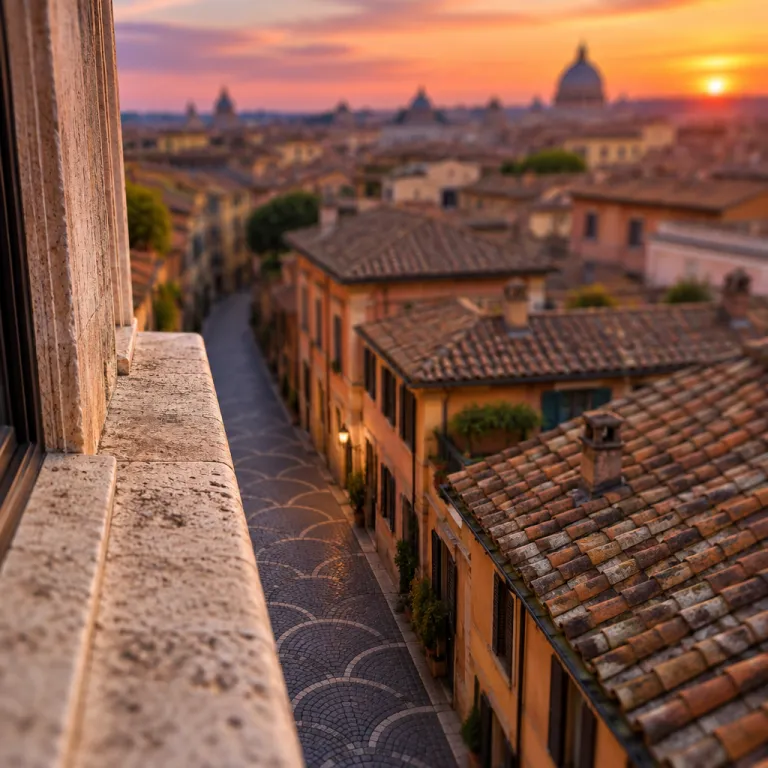
Designing a refined 3 day itinerary in Rome, Italy from your hotel
Planning a 3 day itinerary in Rome, Italy starts with choosing a hotel in the right city neighborhood. From a well located base in the city center or the atmospheric streets of Monti, you can reach the Colosseum, the Vatican, and the historic center in minutes. This saves precious hours each day in Rome and lets you focus on every curated tour, every Roman walk, and every memorable visit rather than on transport logistics.
For many hotel guests, the best approach is to structure each day around one major area of Rome and then layer shorter experiences, such as a small group guided tour or an evening walk, around it. On your first day Rome often reveals its ancient heart, with the Colosseum Roman amphitheater, the Roman Forum, and Palatine Hill forming a powerful trio that defines the city’s imperial story. Your second and third days Rome can then focus on the Vatican Museums and Saint Peter Basilica on one side of the Tiber, and the centro storico with the Pantheon, Trevi Fountain, Spanish Steps, and Piazza Navona on the other.
Hotel staff in Rome work daily with local guides and tour companies, and they understand how long each visit realistically takes at different times of day. They know that a morning guided tour of the Colosseum and Palatine Hill might last about three hours, while an afternoon visit to the Vatican Museums and the Sistine Chapel can easily stretch to three and a half or four. Use their expertise to shape an itinerary that balances must see monuments, quiet basilica visits such as Santa Maria churches, and unhurried hours for Roman cafés, fountains, and piazzas, perhaps ending with gelato on Via dei Coronari or espresso at a bar near Largo di Torre Argentina.
Where to stay in Rome for effortless access to every day’s highlights
When you are booking a hotel for a 3 day itinerary in Rome, Italy, location is your greatest luxury. A property in the city center places you within walking distance of the Pantheon, Trevi Fountain, Spanish Steps, and Piazza Navona, which means you can return to your room between visits without losing time. This central position in the historic center, often called the centro storico, is ideal for travelers who want to walk rather than rely on taxis or buses for every tour.
Monti is another excellent base for a three day Rome stay, especially if the Colosseum Roman ruins and the Roman Forum are priorities. From a Monti hotel you can reach the Colosseum in about ten minutes on foot, then continue your walk to Palatine Hill and the surrounding archaeological area, making it easy to join a morning guided tour and still have a relaxed day. In the evening, Monti’s narrow streets and small piazzas offer some of the best Roman trattorias, where you can end your day Rome with local cuisine and a glass of wine, perhaps on Via Urbana or around Piazza della Madonna dei Monti.
Guests who prefer a quieter atmosphere might choose elegant streets near the Borghese Gallery or around Vatican City, trading immediate access to every fountain and piazza for calmer nights. Before confirming your reservation, review a detailed Rome Italy travel guide for hotel based stays, such as this comprehensive Rome Italy travel guide for hotel based stays, which helps you match neighborhoods to your priorities. Whether you stay near Saint Peter Basilica, in the centro storico, or close to Santa Maria churches in Trastevere, ensure that your hotel concierge can arrange a small group guided tour, secure Vatican Museums tickets, and advise on the best time to visit each major site.
Day one: ancient Rome, the Colosseum, and the first curated city tour
Your first day in Rome should immerse you in the city’s ancient core, starting with an early morning visit to the Colosseum. Booking a small group guided tour that includes the Colosseum Roman arena floor, the Roman Forum, and Palatine Hill allows you to understand how each monument fits into the broader Roman story. Expect this curated experience to last around three hours, leaving late morning and early afternoon free for a relaxed walk back through the historic center.
After your tour, follow quiet streets from the Palatine Hill area toward the city center, pausing at lesser known basilica churches such as Santa Maria in Cosmedin or Santa Maria in Aracoeli if they align with your route. These Santa Maria basilicas offer a contemplative counterpoint to the crowds at the Colosseum and the Roman Forum, and they fit beautifully into a 3 day itinerary in Rome, Italy that balances spectacle with serenity. Continue your walk into the centro storico, where you can enjoy a late lunch near Piazza Navona or the Pantheon before returning to your hotel for a short rest.
In the late afternoon or early evening, ask your hotel staff to arrange a curated city tour that focuses on Rome’s fountains and piazzas, ideal for your first of three days Rome. Many local guides offer a small group walk that includes the Trevi Fountain, Piazza Navona, and the Spanish Steps, timed for the golden hours when the city glows. For more inspiration on curated city tours and hotel based experiences, consult resources such as this guide to curated city tours and hotel based experiences in Rome, then tailor the route with your concierge to match your pace and interests.
Day two: Vatican Museums, Saint Peter Basilica, and hotel supported logistics
The second day Rome is dedicated to the Vatican Museums, the Sistine Chapel, and Saint Peter Basilica, and careful timing is essential. Hotel concierges in Rome routinely secure timed entry tickets and small group guided tours, which can save you hours of waiting and ensure that your 3 day itinerary in Rome, Italy remains efficient. Aim for an early morning Vatican Museums entry, allowing you to experience the Sistine Chapel before the heaviest crowds, then exit toward Saint Peter Square for a pause in the open air.
After your museum visit, take time to appreciate the scale and detail of Saint Peter Basilica, often referred to as Peter Basilica, which anchors Vatican City both spiritually and architecturally. A guided tour inside Saint Peter can highlight details that casual visitors miss, from Michelangelo’s Pietà to the view from the dome, and it is worth allocating at least two to three hours for this part of the day. When planning days Rome around the Vatican, remember that dress codes apply inside every basilica, so ask your hotel staff to remind you of the requirements before you leave.
Once you return to the city center in the afternoon, you might choose a quieter walk through the centro storico, visiting churches such as Santa Maria della Pace or Santa Maria sopra Minerva near the Pantheon. These Santa Maria sanctuaries offer cool interiors and remarkable art, ideal for a reflective pause in the warmest hours of the day. For practical advice on seasonal conditions, crowd levels, and how they affect a 3 day itinerary in Rome, Italy, consult a resource such as this guide to the best time to visit Rome for an exceptional hotel stay, then coordinate with your concierge to adjust tour times accordingly.
Day three: centro storico, Borghese Gallery, and tailored walks from your hotel
The final day of your 3 day itinerary in Rome, Italy invites you to slow the pace and savor the city’s textures. Begin the morning with a walk from your hotel through the centro storico, perhaps starting at the Pantheon before the crowds arrive, then continuing toward Piazza Navona and the Trevi Fountain. This is the best time of day Rome offers for photographs at the Spanish Steps and for lingering at a fountain side café, as the light is soft and the streets are still relatively calm.
Later in the morning or early afternoon, consider a timed visit to the Borghese Gallery, which is set within the green expanse of Villa Borghese park. Many hotels can arrange a small group guided tour of the Borghese Gallery, ensuring that you see masterpieces by Bernini and Caravaggio within the strict two hour visiting slot. Afterward, you can enjoy a leisurely walk through the park, looking back over the city center from the Pincian Terrace, a fitting panorama to close your days Rome.
As evening approaches, return to the historic center for a final curated city tour that threads together your favorite places, from the Colosseum Roman silhouette in the distance to the softly lit fountains of Piazza Navona. Some guests ask local guides to design a Roman themed walk that revisits Santa Maria churches or specific basilica interiors that resonated with them earlier in the trip. This tailored approach, coordinated between hotel staff, local guides, and you as the visitor, transforms a standard day Rome into a personal narrative that you will remember long after departure.
Curated city tours for hotel guests: how concierges, guides, and digital tools elevate your stay
Behind every seamless 3 day itinerary in Rome, Italy stands a quiet collaboration between hotel staff, local guides, and you as the traveler. Concierges in Rome’s city center hotels maintain close relationships with tour companies that specialize in small group experiences, from early morning Colosseum Roman access to after hours Vatican Museums visits. They can match you with a guided tour that suits your pace, whether you prefer a three hour overview of the Roman Forum and Palatine Hill or a focused walk through the centro storico’s fountains and piazzas.
Local guides bring the city’s layers to life, explaining how the Roman Forum once functioned as a political and commercial hub, or how the Trevi Fountain channels ancient aqueducts beneath the modern city. They can lead you through Santa Maria churches that most visitors overlook, or design a themed itinerary that links Peter Basilica, other basilica sites, and key Roman monuments in a single day Rome. Many of these tours are now supported by digital tools such as interactive maps and audio systems, which allow you to move fluidly through narrow streets without losing any detail.
As a hotel guest, you benefit from this ecosystem when you allow professionals to shape your days Rome rather than trying to manage every hour alone. Travel apps help with navigation, but concierges know when a morning walk to the Spanish Steps is better than an afternoon one, or when to schedule a Vatican Museums visit to avoid the longest queues. "Wear comfortable shoes", "Book tickets in advance", and "Stay hydrated" may sound simple, yet these expert reminders, combined with curated city tours, ensure that each day in Rome feels rich rather than rushed.
Practical timing, walking strategies, and hotel based tips for an elegant stay
Thoughtful timing is the thread that holds a 3 day itinerary in Rome, Italy together, especially when you are walking an average of 15 000 steps per day. Start each morning with the most in demand sites, such as the Colosseum, the Vatican Museums, or the Trevi Fountain, then reserve the warmest hours for basilica interiors, Santa Maria churches, or a long lunch near Piazza Navona. This rhythm allows you to experience the best of Rome while respecting your own energy and making full use of your hotel as a restorative base.
Public transport in Rome is generally reliable, though occasional delays mean you should allow extra time when traveling to a timed guided tour at the Vatican or the Borghese Gallery. Many hotel guests choose to walk between the city center and the historic center sights, using taxis only for longer stretches, such as between Vatican City and Monti after a long day Rome. When planning your days Rome, remember that spring and fall offer pleasant weather and fewer crowds, which makes outdoor walks between the Roman Forum, Palatine Hill, and the Spanish Steps particularly enjoyable.
Financially, Rome is well suited to visitors who rely on cards, as credit cards are widely accepted, though carrying some cash is wise for small cafés near fountains or for offerings in basilica and Santa Maria churches. Hotel staff can advise on typical taxi fares between the centro storico and outlying areas, helping you avoid surprises and keep your itinerary on track. By combining their local knowledge with your own priorities, you can shape each day Rome into a balanced sequence of visits, walks, and restful hours that reflect your personal way of traveling.
Key figures to keep in mind for a 3 day stay in Rome
- Rome welcomes around 9.7 million tourists each year according to Statista’s 2019 city tourism report, which explains why timed tickets for the Colosseum, Vatican Museums, and Borghese Gallery are essential for a smooth 3 day itinerary.
- Sightseers in Rome often walk about 15 000 steps per day as reported by Healthline’s overview of average sightseeing activity, so planning hotel locations in the city center or Monti significantly reduces fatigue during a three day visit.
- A typical small group guided tour of the Colosseum, Roman Forum, and Palatine Hill lasts about three hours, which helps you schedule afternoon walks through the historic center without feeling rushed.
- Many Vatican Museums visits, including the Sistine Chapel, take between three and four hours, so pairing them with a separate Saint Peter Basilica visit on the same day requires careful pacing.
FAQ about planning a 3 day itinerary in Rome, Italy from your hotel
What is the best time to visit Rome for a three day hotel stay ?
Spring and fall offer pleasant weather and fewer crowds, which makes walking between the Colosseum, the Vatican, and the historic center more comfortable. These seasons are ideal for a 3 day itinerary in Rome, Italy that relies on outdoor visits and curated city tours. Hotel rates can also be more favorable than during peak summer, giving you better value in central neighborhoods.
Is public transportation reliable enough for a tightly planned 3 day itinerary ?
Public transportation in Rome is generally reliable, with metro and buses connecting major areas such as the city center, Vatican City, and Monti. You should still allow extra time for occasional delays, especially when heading to timed entries at the Vatican Museums or the Borghese Gallery. Many hotel guests combine public transport with walking and occasional taxis to keep their days Rome flexible.
How much walking should I expect during a 3 day itinerary in Rome, Italy ?
Travelers typically walk around 15 000 steps per day when sightseeing in Rome, especially if they explore the Roman Forum, Palatine Hill, and the centro storico on foot. Choosing a hotel in the city center or near Monti reduces commuting time and keeps walks between major sites manageable. Comfortable shoes and regular café breaks near fountains or piazzas make this level of activity enjoyable rather than exhausting.
Are credit cards widely accepted in Rome’s hotels, restaurants, and attractions ?
Credit cards are widely accepted in Rome’s hotels, most restaurants, and major attractions such as the Colosseum and Vatican Museums. It is still wise to carry some cash for small cafés, gelato stands near the Spanish Steps, or donations in basilica and Santa Maria churches. Your hotel staff can advise on nearby ATMs and typical payment practices in the neighborhood.
Should I book guided tours in advance or through my hotel after arrival ?
For a short 3 day itinerary in Rome, Italy, booking key guided tours in advance is highly recommended, especially for the Colosseum Roman sites and the Vatican Museums. However, hotel concierges often have access to last minute availability for small group tours and can adjust timings based on weather or your energy levels. A balanced approach is to secure essential tickets before traveling, then use your hotel’s expertise to refine the rest of your itinerary once you arrive.
References
- Statista – tourism statistics for Rome and Italy, including annual visitor numbers and city rankings.
- Healthline – guidance on average daily steps during sightseeing and recommended activity levels for travelers.
- Roma Capitale (official city information) – practical details on public transport, metro lines, and major attractions.