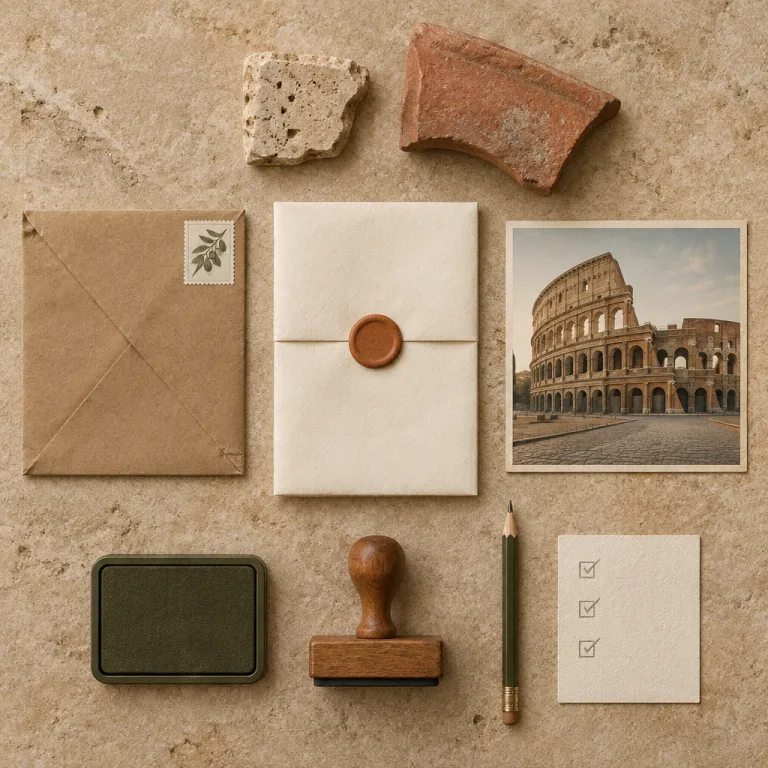
When the postcard image of Rome hides the real city
Many guests feel pressured by glossy campaigns that show only postcard clichés of Rome and hide how the city actually works. This pressure often appears when you try to file a complaint about Rome-focused marketing in feedback forms and realise your concerns about noise, crowds, or safety are barely addressed. Smart travellers now look beyond slogans and ask how a hotel engages with the living city, not just the monuments.
Before you book, search hotel websites for detailed neighbourhood information rather than generic phrases about the Eternal City. If the main content only repeats the same highlights near the Spanish Steps or the Colosseum, you may later want to submit a formal complaint about the hotel’s Rome-centric advertising instead of practical realities like late night traffic or limited public transport. A trustworthy property will show maps, walking times in minutes and distances in kilometres, and clear guidance on how the city actually feels at different hours.
Pay attention to how the hotel describes its relationship with local residents in Rome and how it presents daily life in the surrounding streets. When you eventually complain about the emphasis on Rome’s icons after a stay, you will be more credible if you can reference specific claims about quiet streets, authentic restaurants, or easy access to the historic centre. This level of detail helps any customer care department or external mediation office understand that your complaint is grounded in the real city, not in unrealistic expectations.
Concierge stories that balance romance and reality
Concierges in Rome hear every type of concern, from late airport transfers to confusion about the police department or lost passports. Many of them quietly help guests report problems with Rome-focused hotel marketing when glossy advertising promised a serene fountain view but delivered a noisy intersection instead. Their insider knowledge of the city can turn frustration into a structured report that actually leads to change.
When you arrive, ask the concierge how they handle feedback and what internal office or department reviews guest comments. A seasoned professional will explain which online form or physical comment box is monitored daily, and which channels are more symbolic than effective. This is the moment to request guidance on how to submit a clear complaint that distinguishes between the charm of central Rome and the practical limits of staying beside a major piazza.
Some concierges will gently suggest that you skip emotional language and focus on facts. They may help you structure the main content of your message, starting with dates, room numbers, and specific promises made on the website that were not met. If you later decide to submit your complaint to a consumer office or even a small claims court, this precise wording will carry more weight than a general rant about the city being too crowded.
How to structure and submit an effective hotel complaint
Guests who complain about Rome-focused hotel marketing most effectively tend to follow a simple structure. First, they describe what the hotel website promised about the city experience, then they report what actually happened, and finally they state what resolution they expect. This clear sequence helps any customer care department quickly understand whether the issue concerns marketing content, service delivery, or external factors like construction noise.
Use the hotel’s official contact channels before escalating elsewhere, because many properties will respond faster when feedback is submitted directly. Look for a dedicated complaint form on the main website, usually linked from the footer or from the customer service page. If you cannot find it, ask reception to provide either a printed form or an email address where you can submit a written report that will be logged in their internal system.
When writing, keep sensitive details confidential and avoid sharing personal data in public review platforms. Mention that you are submitting a complaint about emphasis on Rome’s attractions if the marketing overshadowed important information such as accessibility, steps, or distance to the nearest metro station. This phrasing signals that your concern is not with the city itself but with how it was presented during the booking process.
When safety, police, and legal aspects enter your hotel story
Occasionally, a stay in Rome raises issues that go beyond service quality and enter the realm of safety or potential crime. In those cases, you may need to submit a complaint about Rome’s glamour being oversold while security information was minimised, at the same time that you contact the local police for an official report. Hotels with strong procedures will support you in reaching the appropriate police department and in understanding which incidents require formal documentation.
If you lose documents or experience theft, ask the concierge to help you find the nearest police office and to provide the correct Rome phone number for non emergency assistance. You should file a police report as soon as possible, then share a copy with the hotel so your internal complaint can reference the official document. This dual approach ensures that your concerns are not dismissed as anecdotal and that any future court or insurance process has a clear paper trail.
When safety issues intersect with misleading marketing, state clearly that you are complaining about Rome-focused advertising while essential warnings were hidden or skipped. Keep the main content factual, listing times, locations in the city, and names of staff who assisted you. If the situation escalates, legal advisers will look carefully at what you submitted to both the hotel and the authorities, so precision matters.
Using online forms, websites, and confidential channels wisely
Most international hotel groups in Rome now encourage guests to submit complaints about marketing and other issues through structured digital tools. These systems usually start with a web form where you select the hotel, the type of complaint, and the dates of your stay. Once submitted, your message enters a tracking system that routes it to the correct department, whether that is front office, housekeeping, or revenue management.
Before you type, check whether the website allows you to mark your complaint as confidential so only senior managers can read the full content. Some platforms offer a secure message box inside your guest profile, where you can submit follow up questions and receive written responses that remain stored for future reference. If the interface feels confusing, use the “skip main” navigation link often provided for accessibility to jump directly to the main content area where the form begins.
Keep screenshots of every page you complete, especially the final confirmation that your complaint was submitted successfully. If you later need to prove that you tried to resolve the issue directly with the hotel before contacting a consumer office or a mediation court, these images will be valuable. They show not only that you chose to report a complaint about Rome-focused marketing but also that you followed the process exactly as the company requested.
Choosing the right Roman neighbourhood to avoid future complaints
One of the most effective ways to reduce the need to complain about Rome-focused hotel descriptions is to choose your neighbourhood carefully from the start. Instead of relying only on glossy images of the Trevi Fountain or Piazza Navona, study how each area of the city functions at different times of day. For example, Trastevere offers atmospheric evenings but can be noisy until late, while Prati feels calmer and more residential with wider pavements and easier access to the Vatican.
Use your search time wisely by reading long form guest reviews that mention street noise, public transport, and walking distances in kilometres. Cross check those comments with detailed neighbourhood guides from reputable travel organisations, and with local perspectives such as articles about why September is often considered the best month to experience Rome. This research will help you submit fewer complaints later because your expectations about the main content of your stay will match the reality of the city’s rhythms.
When you finally book, keep a copy of the room description, the cancellation policy, and any special promises about views or access. If the experience differs significantly, you will be ready to file a complaint about Rome-focused marketing with precise references to what was written on the website at the time of reservation. That clarity makes it easier for any customer care office or external department to understand your position and offer a fair resolution.
Key figures about hotel complaints and guest expectations in Rome
- According to the European Consumer Centre Italy report on travel services (ECC-Net 2022), accommodation related complaints represented roughly one third of cross-border travel grievances, with a notable portion linked to misleading descriptions of location or facilities.
- Surveys by major online travel agencies such as Booking.com and Expedia in 2021 indicate that guests who research neighbourhood information in depth before booking report average satisfaction scores around 0.4 to 0.8 points higher on a ten point scale compared with those who focus only on images.
- Consumer protection authorities in Italy highlight that written complaints, submitted through official channels and supported by documentation, are far more likely to result in compensation or corrective action than informal verbal remarks at check out.
- Industry reports on urban tourism in Rome indicate that noise, crowding, and access to public transport are among the top practical factors influencing hotel satisfaction, especially in the historic centre.
FAQ about hotel complaints and expectations in Rome
How should I phrase a complaint about misleading hotel marketing in Rome ?
State clearly which promises on the hotel website influenced your booking, then explain how the actual experience differed, and finally describe what resolution you consider fair, such as a partial refund or loyalty points. For example: “I stayed in room 412 from 10–14 May 2025. The website described the room as ‘quiet with limited street noise,’ but traffic and bar music continued past 02:00 every night. I am requesting a 30% refund of the room rate to reflect the difference between the advertised and real conditions.”
When should I involve the police during a hotel stay in Rome ?
Contact the local police if you experience theft, assault, or any incident that could affect your safety or travel documents, and ask the hotel concierge to help you locate the nearest station and file an official report.
Is it better to complain directly to the hotel or through a booking platform ?
Start with the hotel’s own channels so they can respond quickly, then escalate through the booking platform or a consumer office if the initial answer is unsatisfactory or if the property does not reply.
Can I get compensation if street noise in Rome ruins my sleep ?
Compensation depends on whether the hotel explicitly promised a quiet room or soundproofing, so refer to the original description and provide evidence such as videos or written notes about the disturbance.
What documents should I keep if I plan to escalate my complaint ?
Save your booking confirmation, screenshots of the room description, any email exchanges with the hotel, and copies of official reports if the police or a consumer authority becomes involved.