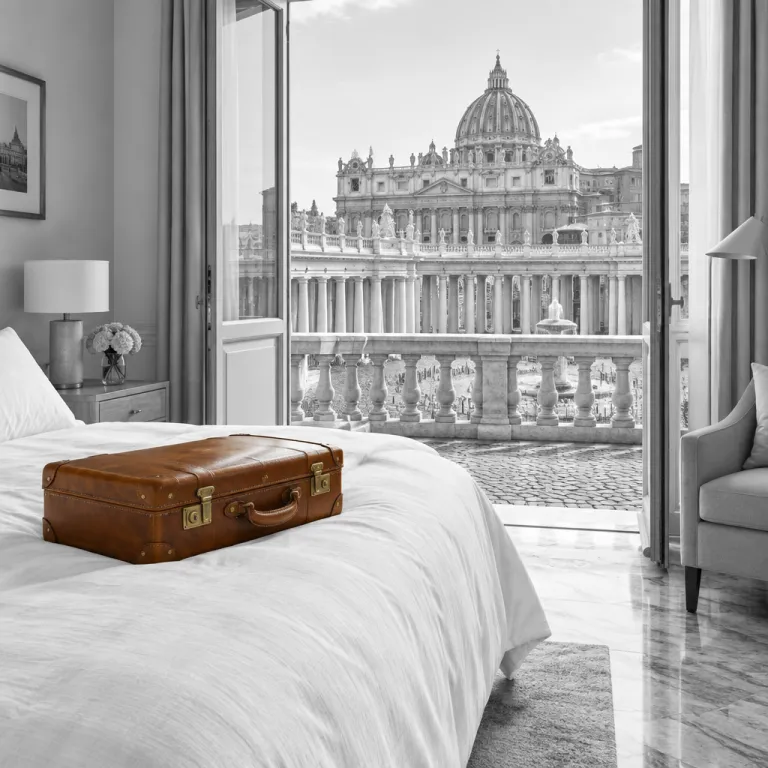
Why families who love art stay near the Vatican
Families drawn to the great attractions in Vatican City often choose hotels within walking distance of Saint Peter’s Basilica. This part of Rome feels like a self-contained village inside the wider city, yet it keeps you close to the best things to see across the Tiber. When you stay near the Vatican, you shorten every travel day and gain precious time for slow breakfasts, relaxed evenings, and unhurried walks through Saint Peter’s Square.
The Vatican area works especially well for first-time visitors to Italy who want clear access to the top attractions in the Vatican Museums and the Sistine Chapel. You can step out of your hotel and reach the Vatican Museums entrance in around 10 to 15 minutes on foot, which makes early guided tours with children far easier. Many parents say that staying in this part of Rome turns complex things in the city, like transport and timing, into simple daily routines.
From a family perspective, the Vatican district offers a calm atmosphere at night, while still giving you quick routes into the historic center of Rome by bus or metro. You can enjoy the view of the basilica dome from nearby streets, then cross the river for gelato in Trastevere or a sunset walk in central Rome. For travelers who value both quiet and access to the best things in the city, this balance makes the Vatican one of the best areas to sleep.
Choosing the right family hotel near Saint Peter’s Square
When you compare family-friendly hotels near Saint Peter’s Square, focus first on walking distance to the main attractions in Vatican City. A location within 800 metres of the colonnades means you can reach Saint Peter’s Basilica, the dome climb, and the Swiss Guards in under ten minutes with children. This short walk transforms early morning visits into an easy family ritual rather than a stressful commute across the city.
Room configuration matters just as much as location for families who want to enjoy the best things in Rome without nightly stress. Look for interconnecting rooms or spacious family suites, so parents can read travel guides or plan the next day’s tour while children sleep nearby. Many properties around Borgo Pio and Via Cola di Rienzo offer these layouts, giving you a comfortable base for several days of focused Vatican travel.
Noise levels can vary significantly between streets close to Saint Peter’s Square and those slightly deeper into the Prati district. If you want quiet nights after long guided tours of the Vatican Museums and the Sistine Chapel, ask for rooms facing internal courtyards rather than busy city streets. For more help on selecting the right neighborhood, use a detailed resource such as this guide to choosing the best area in Rome for a family hotel stay, then match its advice with your own list of must-see attractions in Vatican City.
Planning Vatican Museums and Sistine Chapel days from your hotel
Staying near the Vatican Museums entrance gives your family a major advantage when planning early access visits. You can book a guided tour that starts before regular opening hours, then leave your hotel only a short time before, avoiding long city commutes. This proximity makes it easier to enjoy the top art highlights, from the Raphael Rooms to the Sistine Chapel ceiling, before the main crowds arrive.
Families should always secure Vatican Museums tickets in advance, because same-day lines can stretch for hundreds of metres along the city walls. Where you sleep in Rome can depend on how you plan to visit the museums, which is why resources such as this article on how Vatican Museum tickets booked online shape your Rome hotel choice are particularly useful. When you read travel advice like this alongside your own priorities, you can align hotel location, ticket times, and guided tours into one smooth plan.
Once inside, remember that the Vatican Museums complex covers more than 7 kilometres of galleries filled with art, sculpture, and historical objects. Young visitors often respond best when parents choose a few top sections, such as the Gallery of Maps, the Egyptian collection, and the approach to the Sistine Chapel, rather than trying to see everything in one day. A good travel guide or private guided tour can help you focus on the best things for your family, then return to your hotel nearby for a rest before exploring other parts of Rome in the evening.
Saint Peter’s Basilica, the dome, and family friendly viewpoints
Saint Peter’s Basilica remains one of the essential attractions in Vatican City for families who appreciate architecture and history. The basilica interior impresses children and adults alike with its vast nave, Michelangelo’s Pietà, and the intricate art that covers almost every surface. Because entry to the basilica is free, many families choose to visit more than once during their stay in Rome, timing one visit early in the day and another later for a different light and atmosphere.
Climbing the dome offers one of the most memorable views in the city, stretching across Vatican City, the Tiber, and the rooftops of Rome. Older children often enjoy counting the steps and spotting landmarks such as Castel Sant’Angelo, while younger ones appreciate the sense of adventure. From the top, you can point out Saint Peter’s Square below, trace the line of the Vatican Museums along the walls, and talk about how this tiny city-state fits inside the wider Rome landscape.
Families should also spend time in Saint Peter’s Square itself, watching the Swiss Guards in their traditional uniforms and admiring the colonnades designed by Bernini. This open space gives children room to move after quieter moments in the chapel and basilica, and it helps them connect the different attractions in Vatican City into one coherent picture. When you return to your nearby hotel, you can read travel notes together, plan the next day’s tour, and reflect on how these experiences shape your understanding of Italy and its capital city.
Hidden Vatican corners: Bramante Staircase, chapels, and quiet art
Beyond the famous Sistine Chapel and the main basilica, several lesser-known attractions in Vatican City reward families who plan carefully. Special guided tours sometimes include access to the Bramante Staircase, a double-helix ramp that fascinates children with its spiraling design and historical role in moving people and goods. Because access is restricted, these tours often sell out quickly, so staying nearby in Rome helps you reach early meeting points on time.
Inside the Vatican Museums, smaller chapels and side galleries offer quieter spaces where families can pause and absorb the art. These rooms may not appear on every top ten list, yet they often become the best things in a child’s memory, because they feel personal and less crowded. A thoughtful travel guide can point you toward these corners, helping you balance headline attractions with intimate moments of city love for art and history.
When planning your days, alternate intense visits to major museums with lighter walks around the Vatican area, perhaps stopping at playgrounds in nearby Prati or along the river. This rhythm allows children to process what they have seen in the chapel and galleries, while adults can read travel notes or the best guide recommendations for the next day. Over several days, these patterns turn a simple visit into a deeper relationship with Rome, the Vatican, and the many layers of art that connect them.
Balancing Vatican days with wider Rome family adventures
Families who base themselves near the Vatican can still reach the wider attractions in Rome quickly by bus, metro, or on foot. From Saint Peter’s Square, you can walk across the river to Piazza Navona and the Pantheon in around 20 to 25 minutes, creating a natural link between Vatican City and the historic heart of the city. This flexibility lets you design each day around one major attraction in Vatican City and one or two lighter experiences elsewhere in Rome.
For example, you might spend the morning on a guided tour of the Vatican Museums and the Sistine Chapel, then enjoy a relaxed afternoon in Villa Borghese gardens with bikes or a small lake boat. Another day could combine an early climb of the dome with an evening stroll through Trastevere, where narrow streets and family-friendly restaurants create a different kind of city love. When you stay nearby, returning to your hotel between activities becomes easy, giving children time to rest before heading out again.
Budget-conscious families can still enjoy the best things near the Vatican by mixing paid attractions with free experiences such as watching the Swiss Guards, attending a public Mass in the basilica, or simply enjoying the view from bridges over the Tiber. For more ideas on managing costs without sacrificing quality, consult a resource on practical tips for affordable travel in Rome and adapt its advice to the Vatican area. Over several days, this balanced approach helps you experience both the spiritual center of Catholicism and the everyday life of Italy’s capital city.
Practical tips for booking Vatican area hotels with children
When booking a family hotel near the Vatican, start by checking walking distances to the main attractions in Vatican City on a map, rather than relying only on marketing descriptions. A property that sits 300 metres from the colonnades of Saint Peter’s Square will feel very different from one that requires a 20 minute walk through busy city streets. Shorter distances mean easier early starts for guided tours, quicker returns after long museum visits, and more flexibility when weather or energy levels change.
Next, examine room details carefully, looking for clear information on bed types, extra beds, and child policies, because these things can vary widely in Rome. Some hotels near San Pietro station and the Vatican walls offer family rooms with small kitchenettes, which can be the best things for parents who prefer simple breakfasts or occasional dinners in. Reading recent guest reviews helps you understand how staff handle families, whether they can arrange guided tours of the Vatican Museums, and how they support early departures for a basilica visit.
Finally, consider transport links from your chosen hotel to other parts of the Rome area, including the airport and main train stations. Properties near major bus routes or the Ottaviano metro station make it easier to combine Vatican days with wider city adventures, from the Colosseum to the Appian Way. When you align location, room comfort, and access to attractions in Vatican City, you create a stay that supports both the practical needs of family travel and the deeper wish to connect with the art, history, and spiritual heritage of this unique corner of Italy.
Key figures for Vatican and Rome family visits
- The Vatican Museums welcome more than 6 million visitors each year, which makes advance booking essential for families who want shorter waits and calmer galleries.
- Walking from Saint Peter’s Square to Piazza Navona in Rome takes around 20 minutes at a moderate pace, allowing families to combine Vatican City attractions with central city sights in a single day.
- The climb to the dome involves approximately 551 steps if you skip the elevator, so families with younger children often choose the partial elevator option to reduce physical strain.
- Vatican City covers about 44 hectares, making it the smallest independent state in the world, yet it concentrates some of the top art collections and religious sites in Italy.
- Peak visiting hours for the Vatican Museums usually fall between 10:00 and 14:00, so families staying nearby often aim for early morning or late afternoon entries to enjoy a more comfortable experience.
FAQ about family stays near the Vatican
Is it better for families to stay near the Vatican or in central Rome ?
Families who focus on attractions in Vatican City often benefit from staying nearby, because short walks reduce daily stress and make early visits easier. Central Rome locations work well if your itinerary prioritizes the Colosseum, Trevi Fountain, and Spanish Steps. Many visitors choose the Vatican area as a compromise, since it offers calm evenings and straightforward transport to the rest of the city.
How many days should a family spend on Vatican City attractions ?
Most families need at least two days to experience the main attractions in Vatican City without rushing. One day usually covers the Vatican Museums and the Sistine Chapel, while another focuses on Saint Peter’s Basilica, the dome, and Saint Peter’s Square. Extra days allow time for special guided tours, quieter chapels, and relaxed returns to favorite places.
Are Vatican Museums and the Sistine Chapel suitable for young children ?
The Vatican Museums and the Sistine Chapel can be rewarding for children if you plan carefully and keep visits focused. Choose a short guided tour that highlights a few top sections, schedule breaks, and avoid the busiest midday hours. Staying near the Vatican helps, because you can return to your hotel quickly if children become tired.
Do hotels near the Vatican offer family specific services ?
Many hotels around the Vatican and Prati districts provide family-oriented services such as interconnecting rooms, baby cots, and early breakfast options. Some properties can arrange guided tours of the Vatican Museums or help secure tickets for attractions in Vatican City. Always confirm these details directly with the hotel before booking, since services vary widely.
Is the Vatican area safe for walking with children in the evening ?
The streets around Saint Peter’s Square and the nearby Prati neighborhood are generally considered safe and well lit, with a steady presence of visitors and local residents. Families often enjoy evening walks to see the basilica and city lights, then return to their hotels on foot. As in any major city, normal precautions such as watching belongings and staying on main routes remain sensible.